
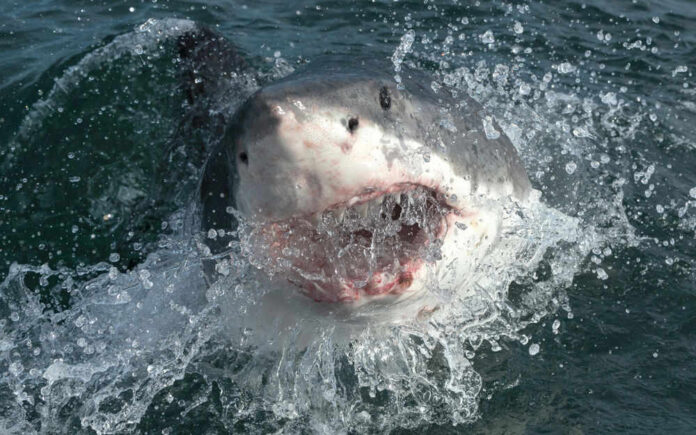
A rare but brutal shark attack on an American tourist in the Bahamas spotlights risks lurking for U.S. travelers across the globe.
Story Snapshot
- A 63-year-old American was severely injured by a shark while spearfishing near Big Grand Cay, Abaco, Bahamas.
- Shark attacks in the Bahamas are rare but can have severe consequences, particularly during activities like spearfishing.
- Swift international rescue and medical evacuation underscore the importance of preparedness for American tourists abroad.
- The incident raises fresh questions about safety, regulation, and emergency protocols in popular tourist destinations.
Severe Shark Attack Exposes Risks for U.S. Tourists Abroad
A 63-year-old American tourist was attacked by a shark while engaging in spearfishing near Big Grand Cay in the Abaco Islands of the Bahamas. The victim sustained severe injuries and required immediate rescue by local authorities.
He received initial treatment at a nearby clinic before being airlifted to the United States for advanced medical care. The speed and coordination of the emergency response underscore just how critical preparedness and rapid action are for Americans participating in high-risk activities outside U.S. borders.
US tourist, 63, attacked by shark, severely injured while spearfishing in the Bahamas https://t.co/EXT2xZhoY4
— ConservativeLibrarian (@ConserLibrarian) August 17, 2025
Shark attacks in the Bahamas are statistically rare. Over the last four centuries, only 34 confirmed attacks have been recorded, yet recent years have seen several high-profile incidents. Activities like spearfishing, which can attract sharks due to wounded fish, appear to elevate risk.
Big Grand Cay, the site of this latest attack, is a remote but popular location for fishing and diving, drawing tourists seeking adventure despite potential hazards.
The event follows similar incidents, including injuries at Bimini Bay in February 2025 and a fatal attack on a Boston woman paddleboarding in December 2023, signaling a possible trend that warrants closer scrutiny by both travelers and authorities.
Key Stakeholders and Emergency Response
The principal individuals involved in the recent attack include the unnamed American victim, the Royal Bahamas Police Force, local medical personnel, and U.S. medical facilities that received the patient. Local authorities managed the immediate rescue, while the U.S. healthcare system provided advanced treatment after the airlift.
Tourism authorities in the Bahamas have a vested interest in maintaining the region’s reputation for safety, which faces pressures from both the continuing allure of adventure tourism and the rare but severe nature of shark attacks.
Decision-making by police and medical staff in the critical moments after the attack was instrumental in the victim’s survival, while government and industry stakeholders now face renewed pressure to review safety standards and protocols.
Recent statements from the Royal Bahamas Police Force confirmed the details of the attack and subsequent evacuation, but the victim’s identity and current medical status have not been made public.
The incident has been widely reported by media outlets, emphasizing the rarity of such attacks but also the seriousness of their consequences.
Investigations are ongoing, and the immediate focus remains on the victim’s recovery and reinforcing public safety messaging to prevent panic or unnecessary fear among potential visitors.
The timeline of events—from the attack and rescue to reporting by news organizations—highlights the importance of clear communication and rapid action in crisis situations affecting U.S. citizens abroad.
Tourism Impact, Safety Protocols, and Broader Implications
This latest attack has immediate and long-term implications for the victim, his family, and the broader tourism industry in the Bahamas. In the short term, the focus is on medical recovery and managing public perception.
Over the longer term, there may be increased calls for enhanced safety protocols for water activities and adventure tourism, with possible effects on insurance costs and tourism numbers if such incidents become more frequent or publicized.
The economic impact could be notable, especially if travelers perceive popular destinations as unsafe or inadequately regulated. Socially, the attacks heighten caution among tourists and local communities, while politically, there is renewed pressure on local authorities to strengthen preventive measures and emergency preparedness.
Expert analysis suggests that, while shark attacks remain rare, activities like spearfishing increase the likelihood of dangerous encounters. Marine biologists and tourism safety experts advocate for stricter safety guidelines and public education to reduce risk.
The International Shark Attack File confirms the rarity of such events in the Bahamas, but increased human activity in marine environments may lead to more frequent encounters.
Some experts call for tighter regulations on high-risk activities; others emphasize balanced, fact-based reporting to avoid unwarranted alarm that could damage local economies dependent on tourism.
Verification, Source Consistency, and Data Limitations
Key facts regarding the attack, rescue, and medical airlift are consistent across multiple independent sources, including statements from the Royal Bahamas Police Force and reporting by major U.S. news outlets.
The information regarding the circumstances, severity, and emergency response has been corroborated, although details about the victim’s identity and prognosis remain undisclosed.
While no significant contradictions have emerged, the full impact—both for the victim and for protocols governing water sports tourism—will only become clear over time.
For now, the incident serves as a stark reminder of the unpredictable but real risks faced by Americans seeking adventure abroad and the necessity of robust emergency protocols to ensure their safety.
Sources:
U.S. tourist attacked by shark while spearfishing in the Bahamas, police say
2 Americans drown within 3-hour span in same Bahamas area: Police