

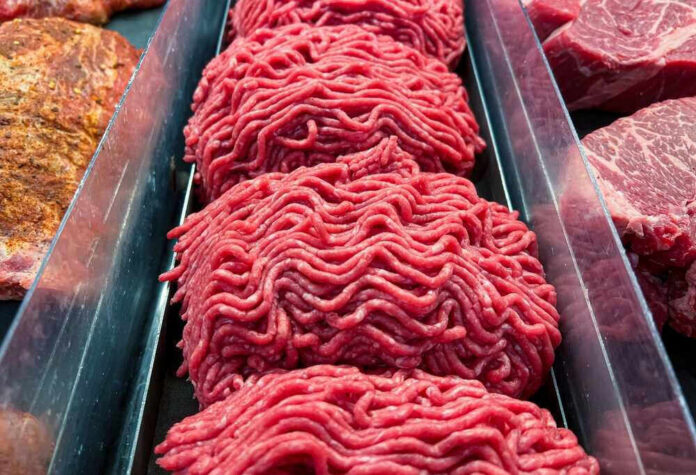
Steak ’n Shake just put grass-fed beef at the center of a high-protein burger built to win back fast-food skeptics.
Story Snapshot
- New Protein Steakburger features two patties of 100% grass-fed, grass-finished beef.
- Launch set for September 1, alongside a Double Steakburger Double Cheese option.
- Move follows Steak ’n Shake’s nationwide shift to all grass-fed Steakburgers.
- Nutrition targets are clear: higher protein, fewer carbs, posted calorie counts.
Steak ’n Shake moves from pledge to plate
Steak ’n Shake announced the Protein Steakburger, built with two patties of 100% grass-fed, grass-finished beef, and set a firm rollout date of September 1. The company paired the item with a Double Steakburger Double Cheese, signaling a broader menu push.
The chain did not float vague wellness claims. It posted numbers. The Protein Steakburger clocks in at 530 calories, 31 grams of protein, and 6 grams of carbohydrates, according to the company’s release covered by Fox Business.
Steak 'n Shake launches Protein Steakburger with grass-fed beef in latest MAHA-inspired move https://t.co/948sfcxvJ0
— FOX Business (@FoxBusiness) August 19, 2026
The new items arrive after Steak ’n Shake committed to serve only grass-fed, grass-finished beef in all Steakburgers. The shift was flagged in May posts and coverage, which cited a June go-live for the nationwide change. That timeline turned a brand promise into a supply-chain commitment.
Chains often test a “better-for-you” label on a single item. Moving all core burgers to grass-fed beef is a rare full-send for a major player.
What “grass-fed, grass-finished” signals to diners
“Grass-fed” and “grass-finished” tell buyers the cattle ate forage rather than grain all the way to harvest. That diet can change the fat profile of beef.
Research reports higher levels of omega-3 fatty acids and a lower omega-6-to-omega-3 ratio in grass-fed beef, along with modest gains in certain vitamins and beneficial compounds.
Mayo Clinic says these shifts may offer heart-health benefits, while also stressing that portion size and overall diet still matter. The takeaway is simple: cleaner sourcing, not magic.
Shoppers should also read these labels as production choices rather than silver bullets. Some studies find grass-fed beef shows higher levels of certain nutrients, but the total health effect depends on the whole meal and lifestyle. Environmental tradeoffs vary by region, grazing method, and land use.
Claims that grass-fed is always greener or always healthier go beyond the data. The Protein Steakburger earns attention because the company published exact nutrition figures and defined its beef standard in plain terms.
Why this move hits the market where it’s shifting
Fast food is in a trust fight. Diners want fewer mystery ingredients, more protein, and straight talk on calories. Steak ’n Shake’s play checks each box. It pairs a classic griddle-burger feel with grass-fed sourcing and posts numbers people can use.
That answers a common customer ask: real food, less spin. It also aligns with the chain’s wider menu reset that spotlights frying in beef tallow and ditching industrial shortcuts, as recent coverage and briefings have noted.
🔥 JUST IN: MAHA-aligned Steak 'n Shake is launching a PROTEIN Steakburger, comprised of grass-fed and grass-finished beef with 31g+ protein
It will be available September 1st.
AWESOME!
MAHA is the future 🇺🇸 pic.twitter.com/4cVaYasOHB
— David muir (@qjircg43004) August 19, 2026
Readers often judge food claims by simple rules: say what it is, price it fairly, and deliver the same product from Tulsa to Tampa. On that score, the Protein Steakburger launch reads like an upgrade. The company set a date. It gave the macro counts. It tied the recipe to a chain-wide beef standard.
That is accountable branding. If the burger eats well and the price stays in bounds, the market will do the rest.
What to watch next: consistency, cost, and customer repeat
The test for any national shift is consistency. Grass-fed supply chains can be tight. Restaurants must lock quality and grind specs so every patty cooks the same on a hot line. Price also matters. Grass-fed beef often costs more at retail.
Chains have to hold the line through smarter buying, not hidden shrinkflation. The final check is repeat rate. If guests feel better and taste satisfaction stays high, they come back. That is the only wellness claim that funds itself.
Sources:
dallasexpress.com, usatoday.com, x.com, foxnews.com, youtube.com, earth.com