Israeli investigators say the Flydubai co-pilot likely acted alone, and that single fact reshapes how we think about airline safety and insider threats.
Story Snapshot
- Israeli sources assess the co-pilot likely acted alone, with no group ties.
- Early Israeli probe and multiple outlets echo a “lone wolf” finding.
- Reuters cites officials saying the initial assessment points to solo action.
- UAE prosecutors call it a terrorist attempt while probing any outside links.
What investigators now believe and why it matters
Israeli sources told major outlets the evidence so far shows the Flydubai co-pilot acted alone, without direction from a foreign government or group. CBS News reported that Israeli investigators see the attack as a likely lone-wolf case, based on an early review of facts shared with counterparts. Reuters quoted two Israeli security officials who said Israel’s initial assessment points to solo action, while work continues to firm up the picture. This points the spotlight squarely at insider risk.
The United Arab Emirates prosecutor general labeled the midair assault a terrorist attempt, which frames the legal stakes and the security response that will follow. That term signals intent, not just workplace violence. It tells airlines and regulators to tighten procedures where a single insider can do outsized harm. Aviation built hard walls to keep threats out after 2001. This case reminds us the next wall must face inward, too, starting in the cockpit and the hiring file.
How the timeline and response contained the damage
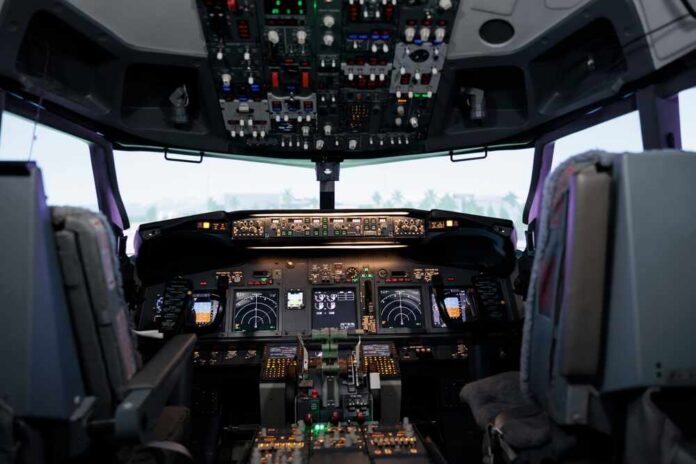
Reports describe a cockpit assault that injured the captain and forced an emergency diversion to Tabuk, Saudi Arabia, where the flight landed safely after passengers and off-duty pilots intervened. That mix of crew resilience and trained aviators on board showed what works under stress: immediate resistance, controlled communications, and a straight path to the closest runway. The sequence also gave investigators a clean starting point for interviews, medical exams, and device seizures.
Several outlets said Israeli and regional investigators have not found evidence that a terrorist organization or foreign state ordered the attack. That does not soften the gravity. Lone actors can be faster to mobilize and harder to spot. They carry no group chatter for intelligence teams to intercept. They need only access, a plan, and a moment when defenses look outward. Aviation has to plan for that profile on every leg, every day, without turning the flight deck into a fortress that blocks safety teamwork.
What a lone-wolf finding means for airlines and regulators
A lone-wolf assessment shifts the fix list from border checks to personnel risk. Background vetting must be deeper and more dynamic, not a one-time gate. Behavioral flags and ideology concerns must trigger action that sticks, not quiet warnings that fade between employers. Media reports note the broader pattern: insider attacks are rare but high-impact, and traditional cockpit security was not designed for a trusted crew member turning hostile. Closing that gap demands constant watch, not episodic audits.
Airlines can harden procedures without choking operations. Two-person cockpit presence policies, random secondary checks for crew, and stronger peer reporting are proven moves. Flight data monitoring can flag erratic control inputs early. Access rules for cockpit tools, including crash axes and restraints, deserve a fresh look with chain-of-custody logs. Training should rehearse an insider scenario like any other emergency: aviate, navigate, communicate, and coordinate with cabin crew to regain control fast.
The conservative common-sense lens: fix what you control
Security works best when it respects reality and responsibility. This case argues for clear lines: hold individuals accountable, guard the cockpit from any threat, and share facts across borders fast. Israel’s early lone-wolf assessment, echoed by multiple outlets, gives leaders permission to act on practical steps now while forensics continue. The United Arab Emirates’ terrorism framing keeps penalties strong and deterrence high. That balance matches common sense: protect passengers first, then argue fine points later.
Saudi Arabia May Have Transferred the Suspect to the UAE to Remove a "Hot Potato" From Its Territory
JCFA senior researcher, Yoni Ben Menachem @BwMnhm, assesses that Saudi Arabia's decision to transfer the FlyDubai co-pilot suspected in the attempted attack to the United Arab… pic.twitter.com/89qNXdLNqU
— Jerusalem Center for Security and Foreign Affairs (@jerusalemcenter) October 4, 2026
One sentence of caution belongs here and only here: officials say the investigation is active, and early views can tighten or shift as evidence comes in. That said, the through-line is firm enough to guide action. Harden insider defenses, verify crew fitness often, and ensure every cockpit has both teamwork and tools to end an attack in seconds. Lone wolves look for cracks. Seal the human ones, and the metal ones will hold.
Sources:
cbsnews.com, ctvnews.ca, reuters.com, themedialine.org, wral.com