

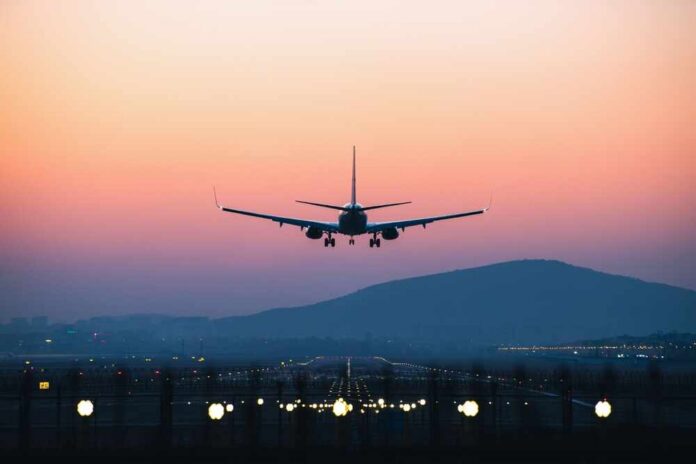
Dallas-Fort Worth International Airport just earned a title no traveler wants to see before a trip: the most stressful airport in America.
Quick Take
- A new study ranks Dallas-Fort Worth International Airport (DFW) as the most stressful airport in the United States for 2025 travel.
- DFW posted a 27.86% flight delay rate and a 2.76% cancellation rate, the worst combined showing among airports studied.
- Delays at DFW jumped 33.67% compared to 2021, showing the problem has worsened, not improved.
- The ranking comes from a private study by Rightway Parking, not a government agency, and blends delay data with drive-time factors.
What The New Airport Stress Ranking Actually Found
Rightway Parking studied 55 major U.S. airports and crowned DFW the most stressful place to fly from in the country. The company based its findings on 2025 Bureau of Transportation Statistics numbers showing DFW’s delay rate hit 27.86%, the highest of any airport studied, paired with a 2.76% cancellation rate. That combination made DFW the only airport landing in the top three for both measures.
The study did not just look at one bad year. It also tracked how delays changed over time, and the trend line is not encouraging for North Texas flyers. Delays at DFW climbed 33.67% from 2021 to 2025, a jump reported across multiple outlets covering the study. That kind of increase suggests a pattern, not a fluke tied to one rough stretch of weather or a single bad month at the gates.
Why Drive Time And Distance Count Toward The Score
The ranking is not purely about flight delays. Rightway Parking built its stress score around five factors with equal weight: 2025 delay rates, cancellation rates, the change in delays since 2021, plus driving distance and driving time between the airport and downtown. That means a sprawling airport far from the city core can score as stressful even if its planes run mostly on time, because the hassle of just getting there factors into the math.
That composite approach explains an odd wrinkle reporters flagged: DFW was not even the busiest airport studied, yet it still topped the stress list. A smaller or less congested airport can out-stress a mega-hub if its delays are bad enough and its location adds extra driving hassle on top of that. The score measures the whole travel experience, not just what happens on the tarmac.
How This Fits Into A Crowded Field Of Airport Rankings
DFW’s bad headline is not the only airport study making news this year, and that matters for how readers should weigh it. A separate 2026 ranking using different criteria placed DFW sixth rather than first, while another 2025 delay-focused study still put it at the top for delays alone. The gap between these results comes down to methodology, not a disagreement over the raw numbers themselves.
Government delay statistics come with their own fine print. The Bureau of Transportation Statistics counts a flight as delayed only once it is 15 minutes or more behind schedule, and when a flight has multiple causes, each one gets a prorated share of the blame. That system works fine for spotting patterns, but it means a delay ranking depends heavily on which causes, time windows, and thresholds a study chooses to include.
What Travelers Should Take Away From The Ranking
None of this is an attack on DFW as a facility. The study is a private analysis, not an official government stress index, and airport management, American Airlines, and federal aviation regulators have not yet issued a public response. That gap in official comment does not undercut the delay numbers themselves, which come straight from federal data. However, it does mean the full operational explanation is still not public.
DFW really caught a bad headline here. 😅 The study ranked Dallas/Fort Worth as the most stressful of 55 major U.S. airports, citing nearly 28% delayed flights, 2.76% cancellations, rising delays, and the distance from downtown.
That’s a rough combination for any traveler. ✈️😩
— Master Thought (@MasterThousmg) October 8, 2026
For travelers booking through North Texas, the practical lesson is straightforward. Build in extra buffer time, expect higher odds of a delay than at many other major hubs, and factor the drive downtown into your overall trip stress, not just your flight status. The data behind this ranking is real and federally sourced, even if the final “most stressful” label is one study’s word, not a government verdict.
Sources:
travelandtourworld.com, fortworth.culturemap.com, yourvalley.net