
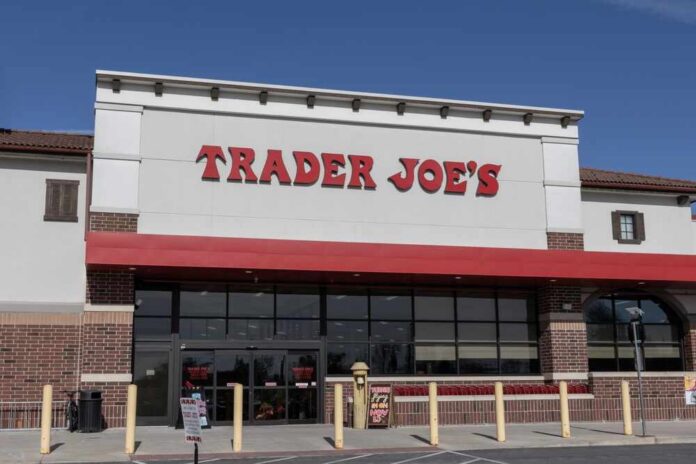
South Korea’s crackdown on Trader Joe’s Everything but the Bagel seasoning shows how a grocery item can turn into contraband overnight when poppy seeds meet strict drug law.
Quick Take
- Police said the seasoning tested positive for morphine and codeine, both tied to poppy seeds.
- Seoul Mapo Police Station worked with Karrot to block sales and post a transaction restriction warning.
- Authorities booked a seller on suspicion of violating South Korea’s Narcotics Control Act.
- Public reporting says South Korea has restricted the item since 2022, so this was not a one-off move.
What Police Say Happened
Seoul police said they found listings for Trader Joe’s Everything but the Bagel Sesame seasoning on Karrot and moved fast to shut them down.
The police said the product contained poppy seeds that tested positive for prohibited substances, and they asked Karrot to remove related posts. Police also added a “transaction restricted” notice for new listings, making the warning visible to users before a sale could go through.
South Korean police crack down on popular Trader Joe's seasoning after controlled substances detected https://t.co/1mbMRpFuYb
— FOX Business (@FoxBusiness) August 8, 2026
The core of the case is simple. South Korean authorities treated the seasoning not as a harmless pantry item, but as a food product carrying regulated narcotic traces.
Yonhap reported that police booked the seller on suspicion of violating the Narcotics Control Act, while other reporting said the item was already restricted in South Korea and had been targeted before. That is why the story matters beyond one marketplace takedown.
Why Poppy Seeds Changed the Meaning
The product itself is familiar to American shoppers. It is a seasoning blend used on eggs, toast, vegetables, and more. But the ingredient that creates the legal problem is the poppy seed, which South Korean authorities say can carry morphine and codeine.
Cleveland.com quoted a police official saying that even a product sold legally overseas can still count as a prohibited import in Korea.
That warning explains the central tension. In the United States, the blend reads like a trendy food item. In South Korea, the same label can trigger narcotics enforcement if the ingredients fall under local controls.
The New York Times reported that the seasoning has been banned in South Korea since 2022, and Cleveland.com echoed that timeline. So the 2026 crackdown builds on a longer policy pattern, not just a single surprise inspection.
Why This Story Keeps Spreading
This case spreads quickly because it sits at the crossroads of food, travel, and law. Travelers often buy small souvenirs without thinking twice, and a seasoning packet looks harmless compared with the word “narcotics.”
Yet South Korean police have made clear that harmless appearance does not matter if the ingredient list includes a banned substance. That is the lesson here, and it is the reason the item keeps resurfacing in border warnings and online sales crackdowns.
The more practical lesson is for travelers and resellers. Korean authorities are not treating this as a debate over taste or branding. They are treating it as a controlled-substance issue tied to domestic import rules.
The Bigger Pattern Behind the Ban
This is also a reminder that food law is not uniform across borders. A snack, spice blend, or souvenir can cross a line simply because one country classifies an ingredient more strictly than another. That kind of mismatch creates repeated headaches for travelers, online sellers, and customs officers.
It also rewards clear labeling and a little humility at the airport. If a product contains poppy seeds, South Korea expects buyers to know the rules before they pack it.
For Americans, the story lands with a strange mix of irony and common sense. A mainstream seasoning that looks ordinary on a kitchen shelf can still trip a narcotics rule overseas.
South Korea’s response shows how seriously it polices that line, and why “it was just a seasoning” will not carry much weight once authorities have tied the product to prohibited compounds.
Sources:
foxbusiness.com, cleveland.com, en.yna.co.kr, reddit.com