
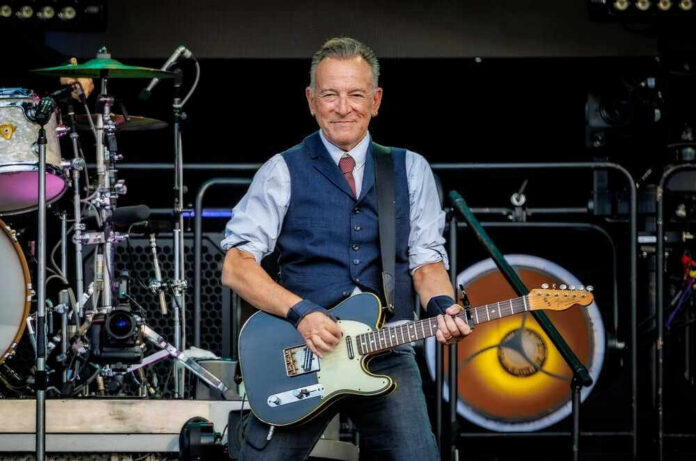
Bruce Springsteen’s endorsement of Abdul El-Sayed set off a clash over celebrity power, political lines, and where criticism of Israel ends and antisemitism begins.
Story Snapshot
- Springsteen’s nod to El-Sayed ignited backlash tied to a separate viral ad accused of antisemitism.
- El-Sayed’s campaign said it had nothing to do with the ad and disavowed it.
- Major Jewish groups and critics called the ad antisemitic and urged a clear condemnation.
- Studies show celebrity endorsements can backfire and harden opposition, especially on foreign policy.
The flashpoint: a rock legend, a Senate race, and a viral ad
Bruce Springsteen endorsed Abdul El-Sayed and drew swift anger from some fans. The fury did not start with a speech from the stage. It swirled around a separate digital ad that blamed high grocery prices on United States aid to Israel and used the line “set that $7 aside for killing Palestinians.” Critics called that message antisemitic and dangerous. Springsteen’s support landed as this debate hit full force, which magnified the reaction online and off.
https://x.com/springsteen/status/2117312114713149508
Abdul El-Sayed’s campaign said the ad was not theirs and denied any tie to its production or release. Reporting traced the spot to Rebellion Political Action Committee, an outside group. El-Sayed’s team said no one speaks for the campaign but the campaign itself. That wall between a candidate and outside spenders is normal in modern races, but voters often blur it. The line on the bottom of a video matters less than the message in the middle to many viewers.
Why the ad became the story inside the story
Jewish organizations, commentators, and political rivals said the ad scapegoated Israel for American inflation and risked fueling antisemitism. The Anti-Defamation League labeled it a “case study in antisemitism,” and opinion writers warned it stoked anger toward Jews. Rivals pushed El-Sayed to condemn the ad and its creators outright. The campaign’s disavowal of involvement met the legal test but not the emotional one some demanded in a tense moment.
Coverage also resurfaced El-Sayed’s stated views on United States aid to Israel, which critics say align with the ad’s framing. Reports noted he has argued for ending military assistance and delivered harsh criticism of Israel’s government. Supporters argue that foreign policy debate is not hate. Opponents counter that tying family finances to aid for Israel taps old, ugly tropes. That split shows how fast policy talk can be read as moral intent when emotions run hot.
Does a celebrity endorsement carry the ad’s baggage?
Springsteen did not write or share the ad. He endorsed a candidate whose campaign said it did not approve or help it. But famous voices change how a controversy travels. Research on celebrity politics shows mixed effects. Some studies find big boosts, like Oprah Winfrey’s lift for Barack Obama. Others find backlash, confusion, or hardened views, especially on foreign policy where people trust experts over stars. This episode fits the backlash pattern more than the boost.
Bruce Springsteen is facing backlash from some longtime fans after endorsing Michigan Democratic Senate nominee Abdul El-Sayed on Election Day.
Read more about Springsteen's endorsement and the heated reaction from fans: https://t.co/kFDNcEVK8t pic.twitter.com/eqGrqTIwqK
— Jonathan Htet (@jonathan_htet) November 4, 2026
Common sense and conservative values point to a clean rule set. First, responsibility follows control. If a campaign did not plan, fund, or approve an ad, the legal tie is weak. Second, the moral tie depends on what the candidate says now. A clear, plain rejection of bigotry meets the moment better than legal caveats. Third, celebrity speech does not erase facts. It does raise the stakes. When a star steps in, he inherits the noise and must accept that fans will judge the whole package, not the fine print.
How voters can separate signal from noise
Voters should look at three boxes before they decide. Box one: authorization. Who paid for the content and who approved it. In this case, reports point to an outside group, not the campaign. Box two: message. Does the content blame a people or a faith, or does it debate policy. Critics say the ad crossed that line by linking prices to Israel in a way that echoes old slurs. Box three: response. Did the candidate denounce bigotry and set a clear standard, not just deny links to the ad.
El-Sayed’s team checked the first box and partially the third. They disavowed involvement and spoke against harmful rhetoric in related disputes. Critics say that is not enough; they want direct condemnation of the ad and its makers. Springsteen’s choice poured lighter fluid on that demand. Fans who love the music want moral clarity from the man. Campaigns that want swing voters should give short, unambiguous answers when outsiders light fires at their feet.
What matters next in Michigan
This fight will not be settled by a guitar riff or a viral clip. It will turn on whether voters believe El-Sayed’s policies serve their pocketbooks and their values. They will also judge whether his words meet the moment on antisemitism without dodging hard truths about foreign aid. Celebrity glare will fade. The questions will not. If he wants to keep undecided voters, he must say both what he stands for and what he will not stand with, in ten words, not fifty.
Sources:
foxnews.com, jta.org, forward.com, newsweek.com, timesofisrael.com, yahoo.com, politifact.com, clevelandjewishnews.com, jns.org