
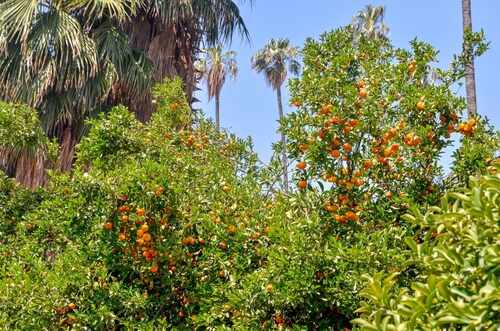
Florida’s citrus industry faces collapse as the worst drought in 25 years compounds decades of disease and natural disasters, threatening the livelihoods of hardworking American farmers who’ve already lost 75% of their groves to government-neglected crises.
Story Snapshot
- Florida endures the worst drought in 25 years, with 100% of the state affected and over 75% in extreme conditions, devastating citrus growers already battling citrus greening disease since 2005
- Citrus acreage has plummeted from over 800,000 acres in 2000 to just 200,000 acres today due to disease, hurricanes, freezes, and now crippling drought conditions
- Irrigation costs skyrocket during critical bloom periods as growers rely on diesel and electric pumps, squeezing already-thin profit margins in rural communities dependent on citrus as an economic lifeline
- Innovative Citrus Under Protective Screens technology offers hope, yielding 8,000-10,000 boxes per 10-acre pod with precise water management, demonstrating American ingenuity in the face of adversity
Crisis Compounds Decades of Industry Devastation
Florida’s citrus growers confront unprecedented challenges as drought conditions blanket the entire state in March 2026, with the U.S. Drought Monitor reporting 100% coverage and over 75% of the state experiencing extreme drought.
This environmental crisis strikes an industry already reeling from citrus greening disease, which emerged in 2005 and rendered countless trees unproductive.
The combination has shrunk Florida’s citrus acreage from over 800,000 acres at its 2000 peak to approximately 200,000 acres today.
Hurricanes like Irma in 2017 and Ian in 2022, along with devastating freezes, accelerated this decline, leaving rural communities economically vulnerable and dependent on an industry fighting for survival.
Irrigation Costs Surge During Critical Growing Period
The drought’s timing is particularly devastating, as it coincides with the critical bloom period when adequate water determines fruit size and overall yields.
Growers must rely heavily on diesel and electric pumps to irrigate their groves, facing skyrocketing energy costs that erode already-slim profit margins.
Bill Bohde, Agronomy Director at Dundee Citrus Growers Association, emphasizes that water availability during bloom directly dictates production outcomes.
USDA data reflects the struggle, showing grapefruit production down 8% and non-Valencia oranges down 2%, while lemons managed a modest 4% increase.
These production fluctuations threaten Florida’s contribution of 17-20% of the U.S. citrus supply, potentially driving up orange juice prices for American consumers already battered by inflation.
Disease and Drought Create Perfect Storm for Failure
According to Steven Callaham, Executive Vice President and CEO of Dundee Citrus Growers Association, Citrus greening disease, scientifically known as Huanglongbing, remains the primary long-term threat to Florida’s citrus industry, with hurricanes serving as the secondary destroyer.
The disease has proven relentless since its widespread appearance in 2005, gradually rendering infected trees unproductive and forcing growers to abandon vast acreages.
Now the historic drought exacerbates every challenge, forcing growers to battle on multiple fronts simultaneously.
Jennifer Schaal, Vice President of Finance at DCGA, describes the citrus industry as a “lifeline” for Floridians, particularly in rural areas like Polk County’s Bartow community, where agricultural jobs sustain families and local economies that government policies often overlook.
American Innovation Offers Path to Industry Survival
Despite overwhelming obstacles, Florida growers demonstrate resilience through innovative solutions like Citrus Under Protective Screens technology.
DCGA has deployed these 10-acre protective pods, equipped with precise irrigation emitters, enabling superior water management compared to traditional open groves.
The CUPS system accelerates tree growth and boosts production, yielding 8,000-10,000 boxes per pod while protecting against both disease and drought conditions.
Callaham expresses optimism, stating the trees under protective screens are “happy” and noting there are “positives going for us” despite temporary challenges.
This American ingenuity represents the kind of free-market innovation that thrives without government interference.
It offers hope that Florida’s citrus industry can recover and continue providing jobs and economic stability to communities that depend on it.
"Florida drought deepens strain on citrus industry as growers battle costs, disease" https://t.co/6dWyMlQT9a
— Scott Lincicome (@scottlincicome) March 12, 2026
The broader implications extend beyond Florida’s borders, as reduced production in America’s citrus heartland strengthens foreign competitors such as Brazil and threatens national food security.
The convergence of natural disasters, disease, and now severe drought tests the limits of what hardworking American farmers can endure.
However, the determination shown by growers adopting CUPS technology and their refusal to surrender demonstrates the resilient spirit that built this nation.
At the same time, it proves once again that American innovation and perseverance can overcome even the most daunting challenges when the government allows producers to work.
Sources:
Florida drought deepens strain on citrus industry as growers battle costs, disease – Fox Business
Florida Citrus Growers Battle Drought, Costs, and Disease – National Today
Florida’s Worst Drought in 25 Years Puts Citrus Industry Under Severe Strain – IndexBox
Florida Drought Slashes Citrus Supply: Rising Costs and Disease Squeeze Growers – ECIKS