

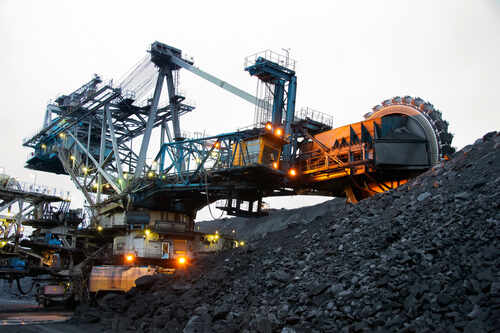
President Trump’s administration reinforces coal’s role in energy, challenging previous shifts towards renewables.
Story Highlights
- Trump administration emphasizes coal’s affordability amid rising energy costs.
- Energy Secretary Chris Wright highlights coal’s critical role in grid reliability.
- Administration pushes to delay coal plant closures to counter electricity price spikes.
- Coal Council revived to strategize on keeping coal plants operational.
Trump’s Stance on Coal’s Critical Role in Energy
President Trump’s administration has underscored the significance of coal in maintaining energy affordability and reliability. Energy Secretary Chris Wright recently highlighted coal’s crucial role in stabilizing energy costs and ensuring grid reliability. His statements come as electricity prices soar, driven by increased demand from AI data centers and energy-intensive industries. The administration’s focus is on delaying the retirement of coal-fired power plants, arguing that such closures have led to price escalations in states that moved away from coal.
Wright’s interview with FOX Business emphasized that coal remains an essential component of the nation’s energy mix, particularly in the face of rising electricity demands. The administration has issued emergency orders to keep several coal plants operational, counteracting previous policies that accelerated their closure. The revival of the National Coal Council, which had been inactive since 2021, is part of this strategy to meet energy needs while circumventing the potential pitfalls of over-reliance on renewable energy sources.
Revival of the National Coal Council
The Trump administration has taken significant steps to revive the National Coal Council, an advisory group that plays a pivotal role in shaping coal policy. This move is part of a broader strategy to support the coal industry amid ongoing debates over the future of energy production in the United States. The council’s revival is seen as a countermeasure to previous administrations’ policies, which many conservatives view as detrimental to traditional energy industries.
The council’s recent meeting at the White House signaled a renewed commitment to coal, with discussions focusing on delaying plant closures and exploring partnerships with tech firms to fund new generation capacities. This approach aims to ensure that the energy grid remains resilient and affordable, especially as demand continues to increase.
Implications and Future Outlook
The revival of coal under the Trump administration is poised to have both immediate and long-term impacts on the energy sector. In the short term, delaying plant closures bolsters grid reliability and may stabilize electricity prices. However, there is concern about the long-term environmental and economic implications, as this approach could conflict with the growth of renewable energy sources. Experts argue that while coal provides immediate relief, the shifting energy landscape necessitates a balanced approach to ensure sustainable energy production.
Trump energy chief outlines coal’s ‘crucial’ role in affordability as admin pushes to keep plants running https://t.co/eLlpOwCOQo
— FOX Business (@FoxBusiness) January 19, 2026
The administration’s actions have sparked debates on Capitol Hill, with some lawmakers questioning the legality of redirecting funds intended for carbon capture and clean energy projects to support coal. This ongoing discussion highlights the complex interplay between energy policy, environmental concerns, and economic realities that continue to shape the nation’s future energy strategies.
Sources:
Trump admin redirects carbon capture funds to prop up old coal plants
Trump’s revived coal council includes Kentucky executives
The Trump administration orders coal-fired plants slated to shut to remain online