
Colorado’s new ban on soda and sugary drink purchases with SNAP benefits signals a controversial federal shift.
Story Highlights
- Colorado becomes the first blue state to restrict soda and sugary drink purchases with SNAP after federal approval.
- The USDA granted a special waiver, breaking with its longstanding resistance to state-level food restrictions.
- Supporters claim public health benefits, while critics warn of increased government control and reduced personal liberty.
- Policy may set a precedent for further restrictions and expanded bureaucracy in federal food assistance.
Colorado’s SNAP Soda Ban: A New Front in the Food Freedom Debate
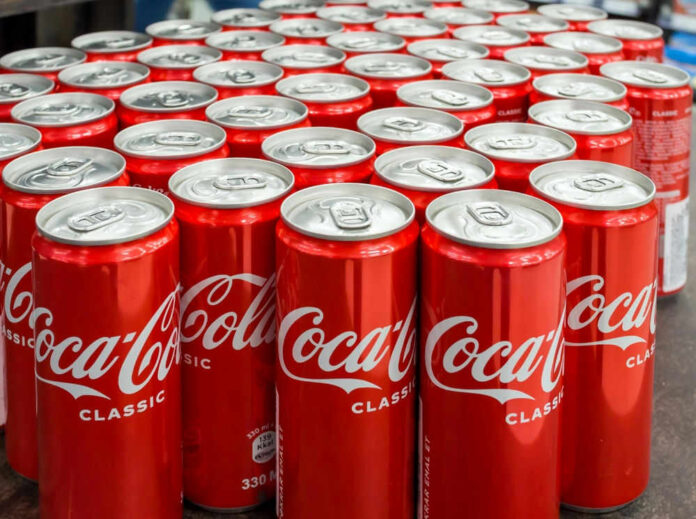
In August 2025, Colorado enacted a landmark policy restricting the purchase of soda and sugary drinks with Supplemental Nutrition Assistance Program (SNAP) benefits, following a rare federal waiver approved by the U.S. Department of Agriculture. This move marks the first time a Democratic-leaning state has implemented such a restriction, previously championed only by red states. The policy is framed as a public health initiative aimed at curbing obesity and chronic disease rates, but it has sparked intense debate about the proper limits of government authority over individual dietary decisions.
Historically, SNAP—a federal program designed to help low-income Americans afford food—has offered few restrictions beyond prohibiting alcohol, hot foods, and non-food items. Efforts to block the purchase of “junk food” or sugary beverages have met resistance from both the USDA and advocates for personal liberty. In 2011, New York’s similar request was denied, and the USDA has long cited concerns about stigmatizing recipients and infringing on freedom of choice. Colorado’s successful waiver signals a significant shift in federal policy, raising alarms among conservatives who view such measures as stepping stones toward further governmental intrusion into private life.
Federal Approval Raises Questions About Scope and Precedent
The federal government’s approval of Colorado’s waiver sets a precedent that could embolden other states, particularly those with progressive leadership, to pursue similar restrictions. The USDA’s decision to override its own historical reluctance opens the door to a patchwork of state-level food regulations. Supporters of the policy argue it will improve public health outcomes and lower healthcare costs related to diet-driven disease. However, critics within the conservative movement warn that the expansion of bureaucratic authority to decide what foods are “acceptable” for low-income Americans undermines individual liberty and sets a dangerous precedent for future government overreach.
Implementation of the new restriction now places the burden on grocers and retailers to adjust inventory controls and point-of-sale systems, creating additional compliance hurdles. SNAP recipients, already among the most vulnerable, face reduced flexibility in how they use their benefits, which may increase stigma and disempowerment. The policy’s supporters, including Colorado Governor Jared Polis and public health advocates, argue that restricting access to sugary drinks is a necessary step to combat rising rates of obesity, diabetes, and tooth decay. However, opponents counter that the government’s role should be limited to providing assistance, not dictating personal dietary choices.
Broader Implications: Slippery Slope to More Government Control?
Conservatives across the country are watching closely, wary that what began as a public health “nudge” could become a mandate for expanded government control over private behavior. The federal waiver process—once a check on overregulation—now appears to be a tool for social engineering. With Colorado seeking additional waivers to expand SNAP access to prepared foods and farmers’ markets, the scope of federal involvement in Americans’ daily choices continues to grow. The beverage industry and free-market advocates are raising concerns about the economic and social impacts of such restrictions, warning that similar policies could soon reach other food categories or states, further eroding the principle of limited government.
Public health experts may see Colorado’s move as a model, but many Americans, particularly those who value self-reliance and freedom from excessive government interference, view it as yet another example of bureaucratic overreach. The debate is likely to intensify as more states consider following Colorado’s lead and the impact on SNAP participants and local businesses becomes clearer. As the country navigates the balance between public health and personal liberty, Colorado’s soda ban stands as a flashpoint in the ongoing battle over the reach of government in Americans’ everyday lives.
Sources:
Governor Polis Statement on Federal Approval of Colorado’s SNAP Waiver
Colorado Public Radio: Colorado will restrict using SNAP benefits to buy soda and sugary drinks
Colorado Sun: In Colorado, food stamps will no longer buy soda, sugary drinks
USDA Food and Nutrition Service: SNAP Food Restriction Waivers