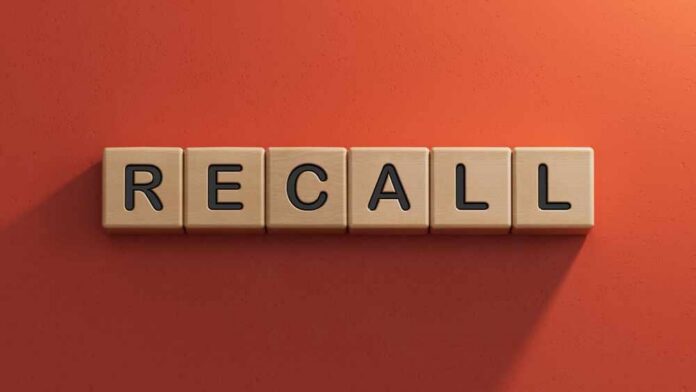
Aldi shoppers were handed a classic food-safety scare with a modern twist: a big recall, a hidden soy ingredient, and no reported illnesses.
Story Snapshot
- BEF Foods voluntarily recalled Park St. Deli Macaroni & Cheese sold at Aldi nationwide because it may contain undeclared soy lecithin.[4][5]
- The Food and Drug Administration later classified the recall as Class II, which signals possible temporary or medically reversible health effects.[1][4]
- The recall covers 58,405 cases, or 525,645 individual packages, a scale large enough to put many households on alert.[1][4][5]
- The main risk falls on people with soy allergies or severe soy sensitivity, who are told not to eat the product.[2][4][7]
The Recall That Quietly Grew Into a National Warning
The recall centers on Park St. Deli Macaroni & Cheese sold at Aldi stores across the country.[2][4] BEF Foods first initiated the action in March, and the Food and Drug Administration later classified it as a Class II recall on June 10.[1][4] That timing matters. It shows this was treated as an ongoing safety issue, not just a labeling typo that vanished after a few store pulls.
500k packages of Aldi's macaroni and cheese recalled over undeclared soy lecithin https://t.co/wu8q4U9Pxs pic.twitter.com/OREDAoZwlN
— New York Post (@nypost) June 16, 2026
The numbers are what make the story hard to ignore. Reports say 58,405 cases were affected, which equals 525,645 packages.[1][4][5] That is not a dusty warehouse problem. It is a broad retail recall with enough reach to touch kitchens in many states. For a private-label product, that scale also raises a quieter question: how did one ingredient escape the label on so many units?
Why Soy Lecithin Matters So Much
Soy lecithin is the problem ingredient named in the recall.[2][4][7] It comes from soybeans and can pose a risk to people with soy allergies or sensitivities.[2][4] Food labels are supposed to make that risk plain. When the allergen is missing, a shopper may eat something that looks safe and only learn the truth after the damage is done. That is why allergen recalls get such fast attention.
The Food and Drug Administration’s Class II label gives the public an important clue about the level of danger.[1][4] It means exposure may cause temporary or medically reversible adverse health effects, and the chance of serious harm is considered remote.[1][4]
That does not make the recall trivial. It means the government saw a real hazard, but not the kind that usually signals mass injury or life-threatening fallout.
What the Public Record Shows, and What It Does Not
The public reporting is clear on the core facts, but it leaves gaps.[1][2][4] The available sources do not show the original FDA notice text, lab test data, or the manufacturer’s root-cause review. They also do not report any illnesses tied to the product.[1][2][4][6]
That matters, because the public hears “half a million packages” and may assume harm has already happened. The record here supports a preventive recall, not a documented outbreak.
More than 500,000 packages of Aldi's Park St. Deli Macaroni & Cheese have been pulled from shelves. See what triggered the recall. https://t.co/s76GCu1Mkv
— Marshfield News-Herald (@mnherald) June 16, 2026
That distinction is easy to miss, especially in fast-moving retail stories. A recall can be serious without being catastrophic. It can be wide without being deadly. In this case, the safer reading is simple: if a household includes someone with a soy allergy, the product should not be eaten.[2][4][7] Customers are told to return it for a refund, which is the practical fix when a hidden allergen slips past the label.
Why This Recall Fits a Much Bigger Pattern
This Aldi recall also fits a familiar American food-safety pattern: undeclared allergens keep showing up near the top of recall lists.[17][20][21][22][23]
That pattern usually points to labeling failures, packaging mistakes, or cross-contact during processing, not spoiled food you can smell or see.[20][21] For ordinary shoppers, that is the unsettling part. The danger is often invisible until someone with an allergy takes the first bite.
Retail trust makes the story sharper. Aldi sells the product under a house brand, so the recall can feel like a store problem as much as a manufacturer problem. Yet the deeper issue is bigger than one chain.[1][2][4]
Food companies must get allergen labeling right, because consumers cannot protect themselves from an ingredient that never makes it onto the package. That is the real lesson behind the headline number.
Sources:
[1] Web – 500k packages of macaroni and cheese sold at Aldi recalled over …
[2] Web – Macaroni and Cheese Recalled Across U.S. Due to Potential …
[4] Web – Over 500K packages of macaroni and cheese pulled at Aldi. See why
[5] Web – RECALL ALERT FOR TEXAS, CHECK YOUR FRIDGE A … – Facebook
[6] Web – Park St. Deli Macaroni & Cheese recalled due to Undeclared …
[7] YouTube – FDA recalls Mac & Cheese product sold at Aldi
[17] Web – Whole Foods Market Warned After Undeclared Allergens – FDA
[20] Web – Undeclared Allergens on Food Labels – University of Georgia
[21] Web – Strategies for Managing Complex Food Allergen Risks – Exponent
[22] Web – FDA Issues Warning Letter to Whole Foods Market After Repeated …
[23] Web – Food Labeling Issues – FoodAllergy.org