A new working paper finds that starting GLP-1 treatment is linked to a 17% drop in long-term sick leave among workers.
Story Snapshot
- Researchers report a 17.3% decline in long-term sick leave after GLP-1 initiation.
- The measure covers medically certified absences longer than 30 days.
- The authors estimate fiscal gains equal to about 1.3–1.5% of annual labor income.
- Media coverage highlights workplace savings and employer interest in coverage decisions.
Researchers tie GLP-1 treatment to fewer long absences
The working paper “The Labor Market Impacts of GLP-1s” reports that people who start glucagon-like peptide-1 therapy see a 0.95 percentage point fall in long-term sick leave, which equals a 17.3% decline relative to a 5.5% baseline rate.
The outcome focuses on medically certified sickness spells longer than 30 days, tracked over several years after starting treatment. The authors also estimate fiscal benefits tied to higher work attachment and lower public transfers.
GLP-1 drugs linked to 17% drop in worker sick leave, new economic study finds. https://t.co/h3Jjwf2KAI
— CBS News (@CBSNews) July 22, 2026
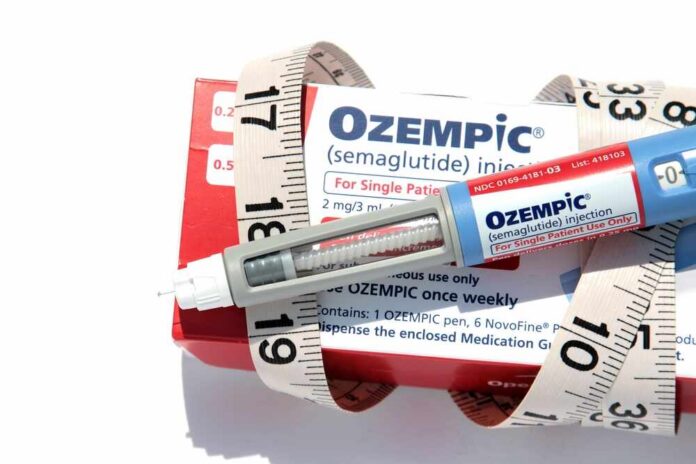
Coverage by a national news outlet emphasized possible savings for workers and employers if fewer long leaves occur. The report echoed the 17% figure and named popular brands such as Ozempic and Wegovy to explain public interest.
The appeal is simple: fewer extended absences can help paychecks, teams, and tax revenues. That message resonates with benefit leaders who juggle rising costs, labor shortages, and pressure to deliver better health outcomes without waste.
Why the result fits a bigger pattern in workplace health
Employers have long chased the link between better health care and better productivity. A multi-employer study found that health-related productivity costs can be more than double direct medical and pharmacy costs, which explains why small health gains can move the bottom line.
New drugs often promise faster recovery and steadier function, and prior research shows some treatments can raise ability to work in meaningful ways, though effects vary by disease and time frame. The GLP-1 story fits that playbook.
Chronic conditions tend to cluster and amplify time away from work. Analyses of workforce data show that adding conditions ramps up both missed days and reduced performance on the job. That means treatments that cut complications, pain, or fatigue can have ripple effects.
When a therapy helps more than one risk factor—like blood sugar, weight, and cardiovascular strain—the downstream gains can be larger than they look at first glance.
Where employers should be careful—and still optimistic
The paper is a working paper, not yet a peer-reviewed journal article. It studies association, not a randomized trial. Media headlines often blur that line.
The authors define a clear outcome and a long follow-up window, which helps confidence in the signal. A fair reading says the result is promising and practical, but not final. The next smart step is to track real-world programs that pair access, monitoring, and adherence with clear rules and cost guards.
Benefits teams also need to weigh price, churn, and stop-start risks. Early reports show that when coverage is pulled back, morale and burnout can worsen, which trades one cost for another.
On the other hand, employer case reviews suggest slower growth in medical costs for people with type 2 diabetes using these medicines over multi-year spans.
What this could mean for households and taxpayers
Long-term sick leave drains family budgets and small businesses. A 17% drop in extended leave can keep more people connected to work, easing pressure on public programs and stabilizing teams during tight labor markets.
That does not mean every worker needs a new prescription. It means that for the right patients, sustained treatment may produce value that exceeds the sticker shock. The authors’ estimate of 1.3–1.5% of annual labor income hints at that payoff.
GLP-1 drugs linked to 17% drop in worker sick leave, new economic study finds. https://t.co/h3Jjwf2KAI
— CBS News (@CBSNews) July 22, 2026
Employers should test and verify. Start with high-risk groups where clinical need is clear. Add coaching to manage side effects and prevent drop-off.
Share outcomes with employees and plan members to build trust. If future peer-reviewed work confirms these gains, expect broader adoption and tighter contracting. If not, sunset the benefit and redirect funds. Either way, measure twice, cut once, and keep people at work whenever safe and possible.
Sources:
cbsnews.com, meltemdaysal.com, pmc.ncbi.nlm.nih.gov, hrp.net, docs.iza.org, uspm.marketing.s3.amazonaws.com, 8926463.fs1.hubspotusercontent-na1.net