
Nineteen runners showing similar, unexplained symptoms hit Santa Barbara emergency rooms within hours, and police moved fast.
Story Snapshot
- Santa Barbara police opened an investigation after a hospital alert about sick runners.
- Cottage Health reported 19 race participants arrived with similar symptoms of unknown cause.
- Patients reached two hospitals by ambulance, self-transport, and walk-in, not a single source.
- Later counts rose to 25 treated, with most discharged by the next morning.
Police Open Case After Hospital Surge Of Runners
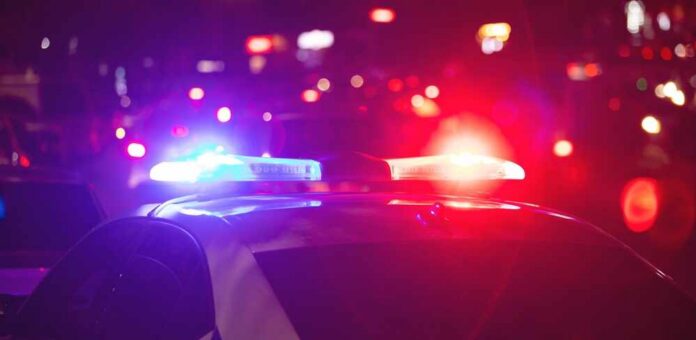
Santa Barbara Police Department officers began investigating after Cottage Health reported an unusual number of half-marathon participants seeking care on race morning. Cottage Health stated that 19 participants arrived at its emergency departments, with several showing similar symptoms and no identified cause. Police described the situation as “suspicious circumstances” tied to the surge, not to a confirmed act. The department said it had not identified a cause as of early Sunday evening, according to a named police official.
Patients came to both Santa Barbara Cottage Hospital and Goleta Valley Cottage Hospital. They arrived by ambulance, private vehicles, and on foot, which cut against a single-transport artifact and suggested a broader pattern among race participants, police told local media. That spread matters. One ambulance run can look like a spike; many arrival paths signal more than one cluster. Police framed the next steps as fact-finding, and they did not endorse any rumor about tampered water or deliberate harm.
What Hospitals And Organizers Said
Cottage Health said its clinicians were working to determine whether heat or other factors played a role in the similar symptoms seen among the runners. Race organizer Run Local pointed to heat illness or typical race exhaustion as likely drivers and said it had no reason to think anything out of the ordinary occurred at aid stations based on what its teams observed. That stance aligns with common race-day medical patterns, though it does not close the police inquiry, which remains appropriate when many patients appear at once.
Counts shifted as the day went on. Early reports cited 19 patients. Later coverage said Cottage Health treated 25 participants, with 18 discharged by the next morning. Tallies in live incidents often change as more people seek care or as hospitals consolidate records. The key through-line does not change: many runners felt sick, several shared symptoms, and the cause was not yet pinned down when police announced the probe.
Why A Cluster Triggers An Investigation
Law enforcement treats an unusual cluster like a fire alarm. The job is not to assume a crime; it is to rule one out. The number and similarity flagged by the hospital gave police a clear reason to look. That follows basic public safety logic and aligns with common sense: if many people from the same event get sick fast, you check for a shared exposure. That could be heat, exertion, or something else. Facts, not theories, decide which.
SANTA BARBARA, Calif. (KEYT) – Multiple hospitalizations from the Santa Barbara half-marathon are under investigation, according to Cottage Health.
Several runners in Sunday's event needed admission to Cottage Hospital for various health concern..,https://t.co/zqKk1ALCSI
— 21 South News (@21SouthNews) November 9, 2026
Medical literature shows that road races regularly send people to medical tents and hospitals. A review of 19 ten-kilometer races found 6.2 medical events per 1,000 finishers, with heat illness the most common diagnosis at 1.6 per 1,000. Another long-running dataset from a major summer road race recorded measurable rates of exertional heat illness with strong survival when treated fast. These baseline patterns make heat and dehydration plausible, while an outlier cluster still warrants testing and police coordination.
What To Watch Next
Public updates that will matter include a clean description of symptoms, a high-level clinical summary, and any laboratory findings that link cases. Police could also share whether they tested water, cups, food, or ice from aid stations, and whether timing data or course maps show a hotspot. A clear timeline of arrivals and discharges would help clarify the final patient count. Until then, the established facts stay firm: many runners got sick, hospitals saw similar symptoms, and police are investigating the cause.
Sources:
foxnews.com, cleveland.com, abc7news.com, wxii12.com, nbclosangeles.com, upi.com, espn.in