
A flyer calling six Jewish-owned Philadelphia restaurants “Zionist establishments” set off a citywide firestorm, and then diners packed those same restaurants to prove the boycott had failed.
Quick Take
- A group called “Philly Bike On Your Left” organized a bicycle rally to boycott six Jewish- and Israeli-owned businesses in Rittenhouse Square.
- The ride was scheduled for November 8, the eve of the anniversary of Kristallnacht, the 1938 Nazi attacks on Jewish businesses and synagogues.
- Philadelphia’s mayor, Pennsylvania’s governor, a member of Congress, and Jewish community groups all condemned the event as antisemitic.
- Restaurant owners said they would stay open, and supporters flooded the targeted businesses with customers in response.
A Flyer Names Six Restaurants And Sparks Outrage
The group posted a flyer on Instagram in late October announcing a “Boycott Ride” through Rittenhouse Square. It named six businesses, Mac Mart, K’Far Café, Huda, Goldie, Schlesinger’s, and Dizengoff, and labeled them “Zionist establishments” that “must go.” The flyer added, “No business for Zionists,” language that read to many as targeting ownership, not policy.
Organizers insisted their fight was political. “Let us be clear: the reason we are calling for a boycott of these businesses is because of their support for Israel,” the group said in a statement. They framed the ride as solidarity with Palestinians, not an attack on Jewish identity.
That distinction did not land with the business owners named on the flyer. Allan Domb, who owns Schlesinger’s Deli, said the real target was obvious. “This group wants to see our businesses shut down because we’re Jewish,” he said, calling the plan “unsettling” and asking people to imagine the reaction if any other group were singled out this way.
Officials From Both Parties Condemn The Rally
Philadelphia Mayor Cherelle Parker drew a hard line. “Targeting businesses solely based on the Jewish identity of their owners is unacceptable and unwelcome in our city,” she said. Pennsylvania Governor Josh Shapiro went further, calling the ride “nothing more than blatant antisemitism designed to intimidate and drive Jewish businesses out of our communities.” Pennsylvania’s attorney general separately called the timing “deeply unsettling.”
Congressman Brad Schneider added a federal voice to the condemnation, saying the campaign aimed to make “Jewish Americans feel unwelcome and unsafe” and calling it “neither reasonable nor justifiable protest.” The Jewish Federation of Greater Philadelphia said marking businesses for removal was an attempt to “intimidate, marginalize and exclude” Jewish residents from the city’s economic life.
Restaurant Owners Describe Fear And Resolve
Huda owner Yehuda Sichel said he was blindsided by the announcement, but found comfort in the community rallying behind him. “I’m feeling empowered by the community, and also it’s very sad that in 2026 I have to deal with what my grandparents and great-grandparents went through,” he said, adding that he and other owners planned to stay open through the protest.
Sichel, also identified in reporting as Yehuda Saichek, described the hostility in starker terms elsewhere, saying the boycott reflected “very strong hate towards me and my people” and calling it “right out of the Nazi playbook.” He noted the rally’s timing fell on the eve of the night when Jewish storefronts across Germany were smashed and synagogues burned.
Supporters Flood The Targeted Restaurants
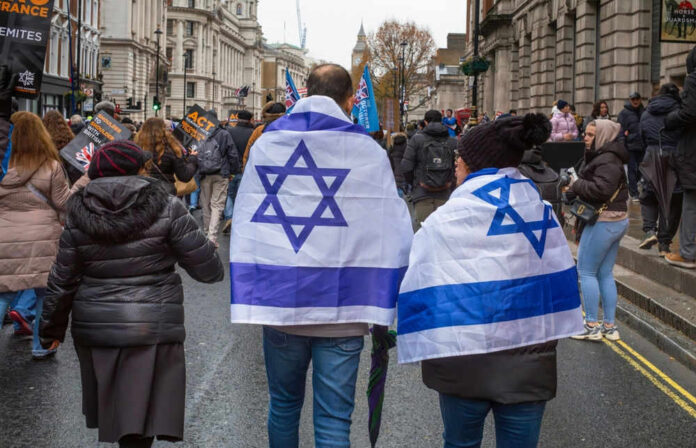
Rather than empty tables, the targeted restaurants saw lines out the door. Billboards went up around the city urging residents to “boycott the boycott,” and diners showed up in force at the businesses named on the flyer. Industry leaders backed the owners publicly, with Ben Fileccia of the Pennsylvania Restaurant and Lodging Association saying, “Restaurants should remain places where people can work, dine, and gather without fear.”
Tensions flare in Philadelphia as anti-Israel demonstrators target Jewish-owned restaurants, drawing hundreds of counterprotesters into the streets.
The demonstrators call for a boycott of six restaurants over alleged ties to Israel, but the protest sparks a major show of… pic.twitter.com/TsCbwSaQRm
— Fox News (@FoxNews) November 9, 2026
Where Protected Protest Ends And Exclusion Begins
American law has long protected political boycotts as free speech, a principle the Supreme Court affirmed when it shielded a civil rights boycott from legal punishment decades ago. But history also shows a darker version of the same tactic, campaigns designed not to pressure a government but to drive an entire ethnic or religious group out of economic life. Scholars trace that pattern directly back to the 1933 Nazi boycotts of Jewish shops in Germany.
That history is exactly why so many Philadelphians reacted the way they did. A protest aimed at a government’s policies is one thing. A flyer naming six restaurants by their owners’ faith, timed to the eve of Kristallnacht, is another. Common sense says intent matters, and so does impact, and in this case both pointed the same direction, straight at Jewish neighbors rather than at any foreign policy.
Sources:
reddit.com, inquirer.com, jta.org, cbsnews.com, nbcphiladelphia.com, deseret.com, fox29.com, kcra.com, cityandstatepa.com, yeahthatskosher.com, firstamendment.mtsu.edu