

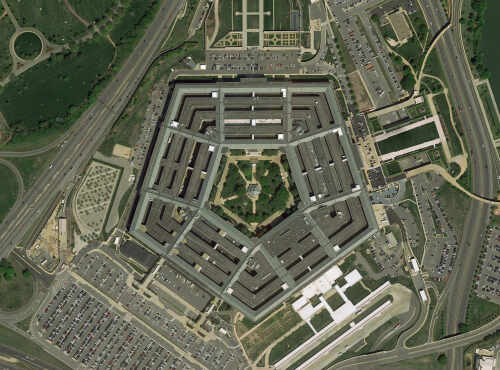
The Congressional Budget Office says the Iran war has cost about $38 billion through August 1, 2026, and is still adding billions each month.
At a Glance
- $38 billion in direct Pentagon costs through August 1, 2026.
- Monthly costs run about $2–$3 billion depending on fighting levels.
- Biggest drivers: munitions replacement, flight hours, and fuel.
- Inflation projected higher by early 2027 due in part to the war.
CBO puts a hard number on a six-month war
The Congressional Budget Office (CBO) placed direct Defense Department costs for the U.S. war against Iran at about $38 billion through August 1, 2026. Major outlets, citing the nonpartisan office, reported the figure after six months of operations.
The estimate anchors the debate with a specific cutoff date, which matters for tracking trends and accountability. The cost total covers combat and support activities and focuses on Pentagon spending rather than government-wide outlays.
The office also projected the bill would keep rising. Reported estimates show a monthly range near $2 billion during lower-intensity stretches and up to $3 billion when fighting increases.
Some coverage used the higher number as a shorthand for ongoing costs, which can blur that it is a conditional estimate tied to battlefield tempo, not a flat fee. For taxpayers, that range translates to roughly $24 billion to $36 billion per year if the conflict persists at current patterns.
What is driving the bill
The cost drivers make the number concrete. Reported breakouts cite about $21.7 billion to replace expended munitions, $10.4 billion for extra flying hours, and $2.7 billion tied to higher fuel prices.
These categories track with what wars burn through fastest: missiles, bombs, maintenance, airlift, and fuel. Munitions replacement is the elephant in the room, reflecting both the volume fired and the steep unit price of modern interceptors and precision weapons.
The six-month-old U.S. war against Iran has cost $38 billion so far, and that amount is projected to rise by $3 billion a month, Congress' nonpartisan bookkeeper reported on Tuesday, as the Trump administration searches for ways to end the conflict and reopen the vital Strait of…
— NEWSMAX (@NEWSMAX) September 16, 2026
Fuel and flight hours reveal the rhythm of the campaign. More sorties mean more tanker missions, more maintenance, and more spare parts. Those inputs tend to scale with risk and target sets. When commanders surge to suppress new threats, the meter spins faster.
That is why a single monthly number misleads. The real lever is operational tempo. Military leaders can trim costs by shifting to fewer, smarter sorties, but that assumes risk that planners must justify.
Inflation ripple and what was not counted
The CBO addressed the wider economy. Reporting on the analysis said inflation could run about half a percentage point higher in early 2027 than earlier projections, driven by war effects on energy and shipping. That forecast ties the fight to family budgets.
Higher oil and transport costs pass through to goods on store shelves and to gas pumps. Even if combat spending stays inside the Pentagon, price pressure does not respect budget lines.
JUST IN: Congressional Budget Office — the U.S. war with Iran has cost about $38 billion through August 1.
That’s munitions replacement, lost equipment, extra flying hours, and higher fuel. CBO says the bill keeps running $2–3 billion a month. Rebuilding interceptor stockpiles… pic.twitter.com/ZTJDbGRJrk— THE X PRESS HOUSE (@XPressHouseHQ) September 16, 2026
Several reports stressed what CBO left out of the $38 billion. The figure did not include some State Department expenses and did not account for repairing damage at U.S. bases, which have faced strikes and wear from high use.
Exclusions like these are common in early wartime accounting. They keep the headline clean but understate the broader government tab. Future tallies often expand to include repairs, veterans’ care, and related agency costs.
Why this estimate matters now
Congress asked for the estimate, and the CBO responded with a dated ledger and a clear monthly range. That timing gives lawmakers a tool for near-term oversight while the war’s shape can still change. It also fits a pattern seen in Iraq and Afghanistan.
Early direct costs set the baseline, and later debates turn to what was missed and how to count long-run obligations. A disciplined, dated estimate keeps the conversation focused and honest about trade-offs.
How to read the number with common sense
Three questions help. First, is the operation achieving defined goals that match the spend rate? Second, can commanders hit the same effects with fewer munitions and flying hours? Third, what is the plan to rebuild inventories without breaking the budget?
The CBO’s breakdown spotlights the burn, the bottlenecks, and the bill that will come due when the shooting slows.
Sources:
reuters.com, thefiscaltimes.com, inquirer.com, merkley.senate.gov, abcnews.com, cnbc.com, time.com, cbsnews.com, japantimes.co.jp