
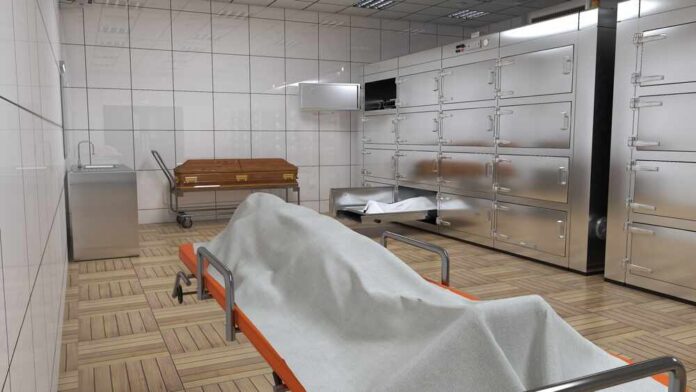
Harvard agreed to pay $53 million because its medical school’s morgue manager turned donated loved ones into contraband and cash.
Story Snapshot
- Harvard will pay $53 million to settle lawsuits from donor families.
- Federal agents said the morgue manager stole and sold human remains across states.
- The morgue manager later pleaded guilty and admitted to removing organs and skin.
- Harvard condemned the conduct and said the employee acted alone within the school.
Harvard’s Payout Marks a Stark Admission of Institutional Failure
A Massachusetts court filing shows Harvard agreed to a $53 million settlement with families who accused the university of mishandling bodies donated to its medical school. The settlement resolves a wave of civil suits that followed the discovery of a black-market scheme run from inside the school’s morgue.
The dollar figure matters. It signals Harvard accepted real exposure in court and the need to repair trust. Money cannot replace dignity, but it can mark accountability when oversight breaks down.
Harvard said the conduct was “morally reprehensible” and fired the morgue manager. The school said investigators believed the employee acted without help from others at Harvard. That claim sets the frame: a single bad actor exploited a high-trust system with weak visibility at key choke points.
Families gave the ultimate gift for science. They expected chain-of-custody discipline, not garage-sale ethics in a morgue. The moral injury here lands before any damages check clears.
Harvard to pay $53M in suit over selling donated corpses on black market https://t.co/EmwYWUrMIq pic.twitter.com/JESjGATcKg
— New York Post (@nypost) August 19, 2026
The Criminal Case: Theft, Transport, and a Pipeline of Human Remains
Federal prosecutors said the morgue manager, Cedric Lodge, removed parts from donated cadavers—organs, hands, faces, and skin—and shipped them across state lines. A grand jury indicted Lodge and others in June 2023, alleging sales that spanned years. This was not a one-off trespass.
It was a supply chain built on betrayal, moving bodies meant for study into a market that treats the dead like curiosities. That detail matters because it shows intent, planning, and the volume of harm done.
Prosecutors later urged a serious sentence. Lodge admitted he removed remains and trafficked them. He pleaded guilty and faced a push from the government for a decade in prison, citing the scope of the crimes and the pain to next of kin. That plea locks the facts.
It erases any idea that this was a misunderstanding in a complex lab. It was theft, transport, and sale. The language from the filings is blunt because it has to be when dignity is on trial.
How a Trusted Program Became a Target
The Anatomical Gift Program relies on trust. Donors and families cannot watch what happens after the final form is signed. Their faith rests on locks, logs, and leadership.
The United States Department of Justice said the stolen remains were taken after educational use but before disposal under program rules.
That narrow window—end-of-use to disposal—is where many systems get lazy. That is where the chain can snap if no one is watching and there are no proper controls and audits.
Harvard’s settlement does more than close a lawsuit. It is a map of where pressure must go next: tighter inventory checks, dual-control access, constant audits, and recorded transfers. A morgue is not a vault by tradition, but it must be one in practice.
What Justice Looks Like After the Headlines Fade
Families will now navigate a claims process, while the criminal case stands as a warning. Civil relief and criminal guilt run on different tracks but meet at the same station: consequences. The settlement number signals to every medical school that handles human remains.
Close the gaps, lock the doors, log every step, and assign a leader to answer for each handoff. If that sounds strict, good. Nothing less honors the people who gave their bodies so students can learn and patients can live.
Harvard must now prove reform is more than a press release. The only proof that counts is boring paperwork that never goes missing, cameras that always work, and logs that match the refrigerator.
That is what trust needs to heal: not big words, but small controls done well, every time. The law has spoken. The checks will clear. The task now is culture and control, so that a gift to science never again becomes loot for sale.
Sources:
en.wikipedia.org, thecrimson.com, nhpr.org, boston.com, reuters.com