Iran’s latest missile barrage was stopped before it could land a visible blow, and the follow-on strikes in Iraq show how fast a defensive fight can turn into a wider regional warning shot.
Quick Take
- The United States said its forces intercepted multiple Iranian ballistic missiles aimed at U.S. forces in the Middle East.
- The same day, U.S. forces said they struck militia-related sites in Iraq with Saudi Arabia.
- Central Command said all Iranian missiles were intercepted and no U.S. personnel were harmed.
- The public record in the supplied material supports the interception claim more strongly than the legal case for the Iraq strikes.
What Happened in the Air
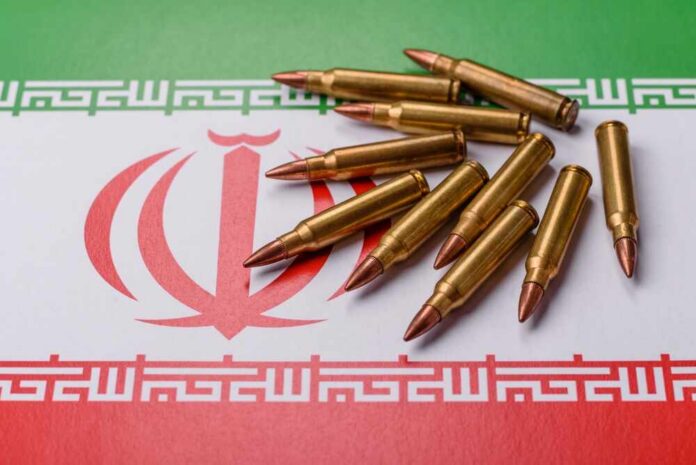
U.S. Central Command said Iran launched multiple ballistic missiles at American forces in the Middle East, and U.S. forces intercepted them all. The statement said the attack came from Iran and that American forces stayed on alert after the barrage. That is the core fact pattern here: missiles were fired, intercepted, and did not cause reported harm to U.S. personnel.
The U.S. military says it successfully intercepted an Iranian missile barrage and worked with Saudi Arabia’s forces to strike sites in Iraq that Tehran-backed militias have used to launch attacks in recent days. U.S. Central Command in a statement Tuesd… https://t.co/IwQuhPd2Yi
— KSTP (@KSTP) July 29, 2026
Several outlets repeated the same basic account, and the command’s own statement said the missiles were defeated before reaching their targets. In a region where air-defense claims often come first and proof comes later, that matters. The first question is not whether a battle happened. It is whether the defense worked as stated.
Why Iraq Became Part of the Story
The sharper part of the episode is the strike in Iraq. According to the supplied reports, U.S. forces worked with Saudi Arabia to hit sites in Iraq that Tehran-backed militias had used for recent attacks.
The public framing was defensive: strike the launch network, cut off future attacks, and blunt a wider Iranian campaign. That is a familiar logic in Middle East conflict. Once a side claims self-defense, the next target is often the machinery behind the attack, not just the attack itself.
The Iraqi targets were militia logistics and weapons sites, but it remains unknown whether each site was active at the moment of impact.
The Counter-Case Has Limits
The strongest counterpoint is not that the Iranian missiles were not intercepted. It is that Iran and aligned reporting framed its own actions as retaliation for earlier U.S. and allied strikes.
That helps explain motive, but it does not disprove the U.S. account of interception or injury avoidance. Additionally, there is no technical rebuttal to the stated missile count or a direct challenge to Central Command’s claim of no U.S. casualties.
So far, the United States appears to have stopped the missile attack, but the justification for the Iraq strikes still rests mostly on official claims rather than fully tested public evidence.
Sources:
apnews.com, theguardian.com, goodmorningamerica.com, washingtontimes.com, x.com