

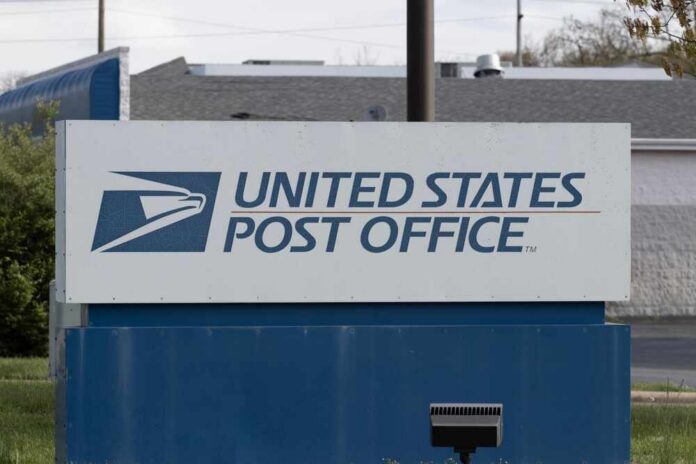
On Sunday, a tiny 4-cent jump in stamp prices quietly exposes how fragile the American mail system has really become.
Story Snapshot
- The Forever stamp price will increase from 78 cents to 82 cents starting Sunday, July 12.
- Postal leaders say the hike is needed to survive a severe financial crisis and rising costs.
- This is one of many increases that have pushed stamp prices sharply higher in just a few years.
- Rate fatigue and trust concerns are growing, especially among conservative Americans and small businesses.
What exactly is changing and when it hits your wallet
The United States Postal Service plans to raise the price of a First-Class Mail Forever stamp from 78 cents to 82 cents, with the new rate taking effect on Sunday, July 12.
This four-cent jump is part of a larger package of mailing price changes that push average rates up about 4.8 percent across key products such as letters, postcards, and marketing mail. A Forever stamp bought today will still cover a first-class letter after the increase, but every new stamp will cost more than it did last week.
Domestic one-ounce letters will increase from 78 cents to 82 cents, while metered letters will increase from 74 cents to 78 cents. Domestic postcards go from 61 cents to 65 cents, and international postcards and one-ounce letters rise from $1.70 to $1.75.
The price for each extra ounce on a letter stays at 29 cents, so the biggest change that everyday senders will feel is right at the basic stamp level rather than in add-on weight charges.
How USPS explains the need for yet another increase
The Postal Service describes this round of increases as a response to a “severe financial crisis” and continued rising operational costs. Leaders say they are using every tool they have, including the authority to raise regulated prices, to continue fulfilling their legal duty to deliver mail nationwide.
In plain terms, they argue that without more revenue from stamps and postage, the system that brings letters to rural farms and city apartments alike could grind to a halt.
USPS to raise the price of a Forever stamp to 82 cents on Sunday. Here's what to know. https://t.co/BlvuO925X4
— CBS News (@CBSNews) July 7, 2026
Postmaster General David Steiner has warned lawmakers that the agency is running out of cash and must make tradeoffs to avoid stopping deliveries.
That kind of statement sounds dramatic, but it lines up with reports that the Postal Service could exhaust its funds within the next year if trends continue.
For many, the idea that a basic government service can run itself into the red raises hard questions about long-term management, waste, and accountability within a protected monopoly.
A pattern of frequent hikes and what it says about the system
This Sunday’s increase is not a random bump; it fits a clear pattern. Stamp prices have been raised about 16 times since the start of this century, nearly matching the total number of hikes over the previous 100 years.
The current move from 78 cents to 82 cents comes on top of recent jumps that took the price from 55 cents in 2020 to 78 cents in 2025, nearly a 42 percent climb in just five years. The pace has shifted from “once in a while” to “twice a year” as standard practice.
Postal officials link this rapid rise to declining first-class mail volumes, inflation, and higher costs of transporting and sorting mail, especially to far-flung addresses. That story makes sense on the surface. Still, rate fatigue is real.
When a basic stamp costs 82 cents instead of the 41 cents many remember from the early Forever stamp days, regular Americans feel squeezed and wonder why efficiency gains and modern technology have not brought costs down instead of up.
Where transparency questions and concerns kick in
The formal filing for these July price changes includes detailed tables showing exactly which products will cost more and by how much, but it does not share a full public breakdown of the internal cost drivers behind that four-cent increase per stamp.
The agency leans heavily on broad language about its ten-year “Delivering for America” plan and on warnings about a serious financial crisis, but taxpayers do not see the line-by-line math that ties a specific cost gap to this exact rate.
Next week, a price hike on Forever stamps and other forms of postage is expected at the United States Post Office. This comes just over a month after the USPS released its fiscal report from last year, showing billions of dollars in losses and rounding out a solid decade without… pic.twitter.com/91keiSSIt7
— Country Rebel (@countryrebel) July 7, 2026
This lack of granular detail bothers many who value small, transparent government and tight control of public money. If a private company raised prices this often without providing clear numbers, customers would either demand clearer numbers or walk away.
With the Postal Service, Americans cannot easily opt out; rural communities and small businesses rely on it. That reality makes trust and clear proof more important, not less.
What smart Americans can do before and after Sunday
One practical move before the hike takes effect is simple: buy extra Forever stamps at 78 cents now, because they will still work after the price hits 82 cents.
Families that send many cards or small businesses that mail invoices can lock in today’s rate as a hedge against tomorrow’s cost. Some mailing experts suggest timing bulk orders or marketing campaigns around these July changes to avoid surprise jumps in expenses.
Beyond personal planning, citizens who care about efficiency and fiscal sanity can push for more sunlight. That includes asking Congress for independent audits of the Postal Service’s transportation and labor costs, encouraging watchdogs to compare the Postal Service’s performance to that of private carriers, and pressing the Postal Regulatory Commission to demand stronger evidence for each rate hike.
None of those steps denies that costs rise over time. They simply insist that when a near-monopoly raises prices again, it owes the public a clear, detailed case.
Sources:
about.usps.com, nj.com, amail.augsburg.edu, pitneybowes.com, help.stamps.com, fastcompany.com