

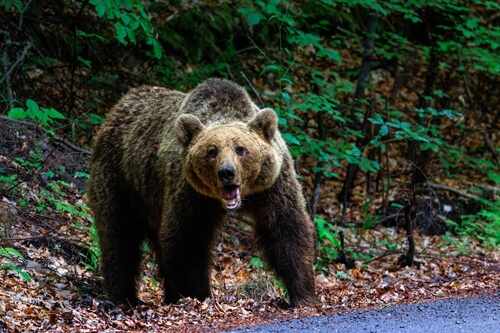
Colorado’s parched summer pushed hungry black bears straight into people’s daily lives.
Story Snapshot
- Wildlife officials reported a sharp rise in bear reports across Colorado in 2026.
- Drought and a late freeze cut natural food, driving bears toward towns.
- Encounters ranged from campus sightings to a restaurant intrusion and a car fatality.
- Agencies urged strict trash control and “no feeding” as first-line defense.
Drought-thinned forage set off an urban bear surge
Colorado Parks and Wildlife said bear reports nearly doubled by mid-August compared with the same point last year, a jump they linked to drought conditions that cut natural forage and pushed bears into neighborhoods.
Officials described a clear chain: fewer berries and nuts, then more bear movement into town edges, then more encounters.
That pattern surfaced in Fort Collins, Aspen, Colorado Springs, Eagle-Vail, Steamboat Springs, and campus move-in zones, where dumpsters, bird feeders, and open garages offered easy calories.
Bears are getting into more trouble than usual in the parched Rocky Mountains this summer. They are wandering into urban areas, getting trapped in cars, raiding trash cans and sometimes attacking people.
Read more: https://t.co/oecGUC8372 pic.twitter.com/wUJfQKLz6b
— ABC News (@ABC) September 8, 2026
Field spokespeople also flagged a late freeze that hurt key summer foods, which meant bears started roaming while still short on winter calories. Bears aim to gain weight fast in late summer. When wild food fails, they switch to human food because it is dense, simple to find, and often unsecured.
That switch trains repeat visits. One raid teaches a bear that trash night is a buffet. After that, garages, cars, and porches become routine stops on a nightly route.
Concrete encounters show how fast “curious” becomes “costly”
Reports included a bear wandering into an Aspen restaurant, a black bear trapped in a Colorado Springs car that died, and an encounter at an Eagle-Vail apartment that left a minor injury.
Officers also responded to sightings at Colorado State University during move-in week, where boxes of snacks, propped-open doors, and late-night foot traffic raised risks.
Most events did not end in injury. Many did end in property damage, sleepless neighborhoods, and bears that learned people equal food.
These scenes match a known behavior cycle. A hungry bear scouts at dusk. It follows food smells, checks trash lids, noses bird feeders, and tests car handles. It remembers every success. Each score shortens the distance between backcountry and block party.
When that happens across a region at once, small wins become daily routes, and calls spike. The cost lands on homeowners, local police, and wildlife officers who must choose between hazing, relocation, or, in rare cases, euthanasia.
Why the numbers grew, and what actually works
Colorado Parks and Wildlife pointed to drought, a late freeze, and wildfire impacts that stripped forage and delayed regrowth, all of which made bears seek calories in town.
Reports said 6,129 sightings and conflicts occurred through August 13, almost double the 3,115 at that point in 2025, capturing the scale of the shift.
White River National Forest staff echoed that natural food was scarce near Aspen, which pushed bears toward human-related sources during peak feeding season. This is the classic setup for conflict risk.
Wildlife experts repeated simple rules that work: never feed bears, lock trash in bear-resistant containers, bring in bird feeders, clean grills, and close garage doors at night. Communities that enforce these basics cut repeat encounters. Neighborhoods that ignore them become bear magnets.
If people remove easy human food, bears go back to wild food once it rebounds. If people keep training them with trash, the visits grow bolder and end worse for everyone.
Practical steps for towns, campuses, and homeowners
Homeowners should swap standard bins for certified bear-resistant cans and set them out the morning of, not the night before. Campuses and hotels should audit dumpsters, door closures, and snack storage, especially during check-in surges. Restaurants should lock grease bins and power-wash alleys.
Trailheads need sealed cans and clear signs. Police and wildlife officers should coordinate quick responses that pair hazing with fines for chronic trash violations.
What to watch as fall approaches
Bears will keep feeding hard until denning season. If natural forage rebounds with late rain, pressure on towns may ease. If it stays dry, expect more nighttime raids. The playbook doesn’t change: starve the trash incentive, and bear behavior shifts.
A single week of locked lids can erase a route from a bear’s mental map. A single open dumpster can rebuild it. The fastest way to bring the mountains back to normal is to make the town a dead end for calories.
Sources:
wyomingpublicmedia.org, cpr.org, coloradoan.com, kunc.org, kjct8.com