
Bill Clinton used one sharp line to turn Trump’s arch and Kennedy Center fights into a question of priorities that hits where voters live.
Story Snapshot
- Clinton mocked Trump’s proposed Washington triumphal arch and the Kennedy Center naming battle as misplaced focus.
- Trump framed the arch as a national security site for drones and snipers at the military’s request.
- A federal judge blocked moves to rename the Kennedy Center without Congress, citing the law that honors John F. Kennedy.
- The clash shows how symbols and names can steer policy talk and public attention.
Clinton’s Shot: “Hard to Make Up,” And Aiming at Priorities
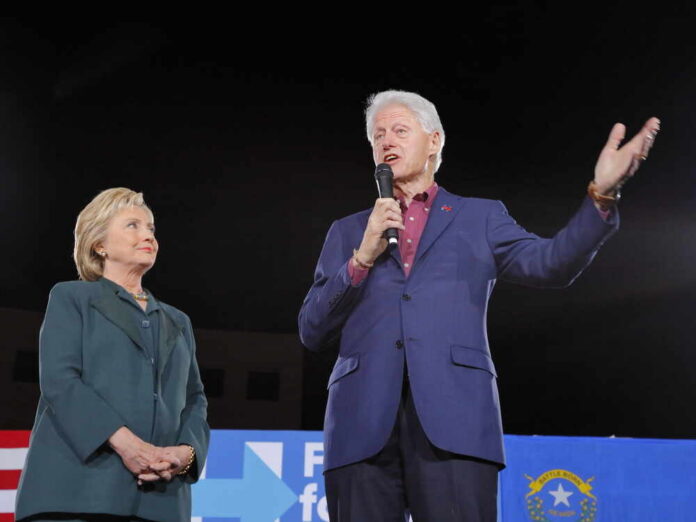
Bill Clinton opened the Clinton Global Initiative in New York by jabbing at President Trump’s latest headline projects. He mocked the push for a triumphal arch in Washington and the fight over the Kennedy Center’s name.
He said the White House was “majoring in the minors,” and closed the riff with, “Some of this stuff — it’s hard to make up.” His case was simple: leaders should sweat the big problems first, not chase branding wins.
Clinton’s comments landed because they drew on concrete episodes that voters can picture. The image of a monument doubling as a weapons hub sounds like a movie pitch, which is why the line stuck.
"Some days I can hardly believe what is happening in this country that I love so much."
Bill Clinton takes direct aim at President Trump, accusing those in power of creating "one set of rules for themselves and another set for everyone else."
The former president goes further,… pic.twitter.com/PnB0VmuBOd
— Fox News (@FoxNews) September 22, 2026
Trump’s Defense: Security First, Architecture With Muscle
Trump’s team did not present the arch as a vanity piece. Trump said the United States military asked for a change of plan and that national security needs drove it. He wrote that the arch would store and deploy drones and place snipers on key positions.
He cast the design as a dual-purpose monument and defense complex. He argued the capital should look and act like the seat of the world’s strongest nation.
Supporters added an aesthetic case. Doug Burgum called the project a great work of American architecture that would honor the history near Arlington National Cemetery.
The administration also acknowledged “adverse effects” on the setting and views but said those could not be fully avoided given the location’s purpose. The message paired pride with pragmatism: power has a footprint, and safety has a cost.
The Kennedy Center Name Fight: Law, Limits, And A Line In Marble
The Kennedy Center dispute is more cut-and-dried than the arch. A federal judge ordered the John F. Kennedy Center for the Performing Arts to remove Trump’s name from the building and blocked renaming without approval from Congress.
The law sets the center as the nation’s memorial to President Kennedy. A president cannot unilaterally rewrite that. The ruling drew a bright boundary between ceremony and statute that even political muscle cannot cross.
The legal line strengthens Clinton’s broader point about priorities. A White House that burns time and capital on a label it cannot legally claim looks distracted.
On that score, the court ruling shows the wisdom of limits. Respect the law, honor past commitments, and direct executive energy toward security, prosperity, and debt relief, not signage.
Why This Clash Matters: Symbols Shape The Agenda
Fights over arches and building names are not just theater. Political communication research shows presidents can set what the press and Congress focus on by how they frame an issue. Names and symbols tilt the spotlight. That is why these debates draw heat.
If the stage dressing eats the schedule, the script gets lost. Voters then judge on feel, not fixes. Leaders who want durable wins stick to measurable gains and let monuments follow the work.
Clinton’s jab resonated because it echoed kitchen-table sense: protect the country, grow paychecks, and stop symbolic brawls that solve nothing. Trump’s national security claim on the arch stands as a fair test.
If it truly adds safety without turning a memorial gateway into a fortress spectacle, show the plan, costs, and guardrails. If not, park the cranes. On the Kennedy Center, the law already gave the answer. Move on and tackle the real load-bearing beams of governance.
Sources:
abcnews.com, thehill.com, bbc.com, politico.com, www1.ku.de, en.wikipedia.org