

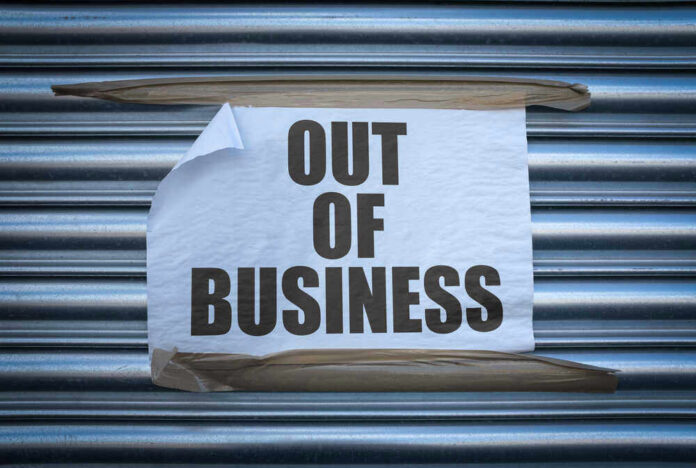
A Minneapolis café fed thousands for free, then announced it will close by year’s end.
Story Snapshot
- Modern Times Café plans to close after a six-month free and donation-based run.
- The café says it served over 30,000 free meals backed by more than 2,000 donations.
- Owner Dylan Alverson cited high costs, staff strain, and new debt after reopening.
- Wait times stretched to two hours; reports say about half the meals were free.
What Happened And When
Modern Times Café in Minneapolis will close at the end of the year, according to its owner, Dylan Alverson. The announcement followed a six-month experiment where the restaurant dropped prices and served meals for free or by donation during heightened federal immigration operations. The café framed the move as both a community response and a stand on values. Alverson called the decision to close “incredibly difficult,” noting the financial toll after a summer shutdown and late August reboot.
The free period drove heavy demand. The café says it served more than 30,000 free meals and received over 2,000 donations in that time. Those figures show remarkable reach, but they also show a model that depended on gifts rather than steady sales. The café later brought back menu prices while keeping 25 free meals a day. That blend tried to balance mission and math, but the owner says the costs and debt load were too great to continue.
How The Model Strained Operations
Service speed broke under the crush. Reports describe lines that led to waits of up to two hours, with roughly half the meals going out free during peak stretches. Kitchen and floor staff faced pressure that a normal ticket pace cannot fix. When demand spikes, a restaurant must add labor and supplies. Donations rarely scale in sync with costs. The café’s team worked hard, but the system they tried could not keep service quality and cost control aligned long enough to stabilize.
The café also carried over the hidden costs of a stop-and-start year. A July pause, an August 26 reopening, and then a return to posted prices all carry expenses. Alverson linked the new debt, close to $70,000, to the aftermath of the shutdown and the economics of the free period, though he did not publish a detailed breakdown of vendors, rent, or taxes. He has said the financial drag after reopening proved decisive in the call to close.
Minneapolis restaurant that offered free meals to protest ICE raids announces closure https://t.co/afKjTmwyGu pic.twitter.com/0tRO7IThSG
— New York Post (@nypost) October 22, 2026
Why These Experiments Often Pivot
Pay-what-you-can dining can work when it runs as a nonprofit with clear subsidy streams. Successful versions rely on grants, volunteers, and some full-price sales to bridge the gap between what diners pay and what meals actually cost. Leaders in this space admit the model is not profitable on its own; it survives with outside help and careful design. When the help fades, or the lines grow too long, the cross-subsidy breaks down and operators add prices back or shut down.
Other community cafés have documented that shift. One nonprofit café in Raleigh reported that most guests once paid the suggested price, but over time fewer did, and the group leaned harder on donations and catering to close the gap. A Colorado café also moved from open-ended pricing to set prices while pledging profits to free meals, which separated the mission from the daily cash shortfall. These pivots echo the same basic law: cost must meet cash, every day, or you burn out people and money.
What This Case Teaches About Mission And Math
Modern Times set out to make a stand and feed neighbors. The team delivered scale and heart, but the ledger still ruled the endgame. Restaurants already live on thin margins; even small shifts in labor or food cost can sink a quarter. A months-long donation model layered real risk onto that base. Alverson says he tried for six years to hold to core values while staying open. That is a long, honest fight that many independent owners will recognize.
Some voices cast this story as a lesson that “free never works.” That skips the nuance. Free can work when you build it on firm pillars: nonprofit status, predictable donors, volunteers, grants, and a plan for peak demand. What does not work is wishing away unit economics. American conservative values prize charity, but they also prize accountability and sustainable work. The café’s outcome affirms both truths at once: generosity matters, and the bill still comes due.
Sources:
foxnews.com, cbsnews.com, bringmethenews.com, kstp.com, boston.com, nsjonline.com, rmpbs.org