
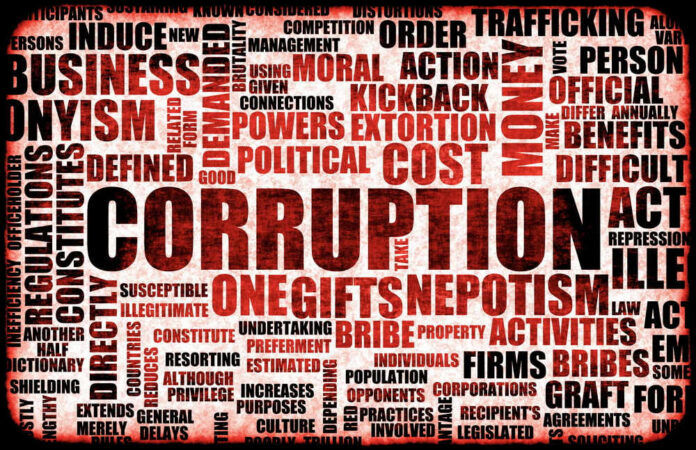
A record 89% of Americans now say government corruption is widespread, marking a 20-year high and a clear crisis of trust.
Story Highlights
- Gallup finds 89% see government corruption as widespread, up 10 points in one year.
- Majorities across parties say corruption is a big problem, not a fringe view.
- Three in four say corruption shapes federal decisions a great deal or quite a bit.
- Low trust in government and high levels of concern about corruption are moving together.
Gallup’s 20-Year High Signals Broad Alarm
Gallup reports that 89% of U.S. adults believe government corruption is widespread, the highest level in two decades. The figure rose by 10 points from last year, breaking out of the 72%-79% range seen from 2010 to 2025.
The survey, conducted in spring 2026, reflects a sweeping perception, not a count of crimes, but the message is blunt. Americans across the map think insiders play by different rules, and the public pays the price.
A new Gallup poll found that 89% of Americans believe government corruption is widespread, the highest level in two decades. https://t.co/cs66EfrGGu
— FOX 29 (@FOX29philly) September 2, 2026
Voters see this as a problem in every corner of government, not just one branch or party. The Brennan Center’s polling shows more than nine in ten voters, including large majorities of Republicans, Democrats, and independents, call corruption a big problem in politics and government.
The agreement across factions is rare today. When nearly everyone in every camp points to the same problem, leaders must treat it as a first-order priority, not a talking point.
Policy Decisions Feel Rigged to Many Americans
A Reuters and Ipsos survey found that three in four Americans believe corruption influences federal decisions a great deal or quite a bit. People see the impact in daily life: higher prices when special interests win, more red tape when agencies expand, and fewer chances for small businesses that cannot afford lobbyists.
When citizens feel the game is fixed, they disengage. That weakens self-government and invites more overreach from unaccountable bureaucrats.
Public trust is scraping the bottom. Pew Research Center measured trust in Washington near historic lows in 2025, with only a small share saying government does what is right most of the time.
Trust and perceptions of corruption move together: when trust falls, more people see corruption as baked in. That pattern has held for decades. The current level continues that trend and signals a warning. If trust keeps falling, reform gets harder, not easier.
Why This Matters for Liberty, Elections, and Your Wallet
Perceptions of corruption this high threaten core American ideals. Free people must be able to check power. When agencies write rules few understand, when lawmakers bury favors in thousand-page bills, and when insiders get waivers the public never sees, confidence collapses.
That chills speech, blurs accountability, and erodes the consent of the governed. Sunshine, clear rules, and real penalties for abuse are not optional. They are the guardrails that keep liberty alive.
Solutions start with simple, firm steps. Ban secret side deals. Post spending and grants in plain language that a taxpayer can search in minutes. Enforce strict conflict-of-interest rules for officials and staff, with swift, public penalties for violators.
Tighten lobbying disclosures so the public can track who is asking for what, and why. Streamline agencies so missions are clear and budgets transparent. These moves respect taxpayers, cut waste, and restore faith that government serves citizens, not itself.
Sources:
news.gallup.com, brennancenter.org, benzinga.com, ipsos.com