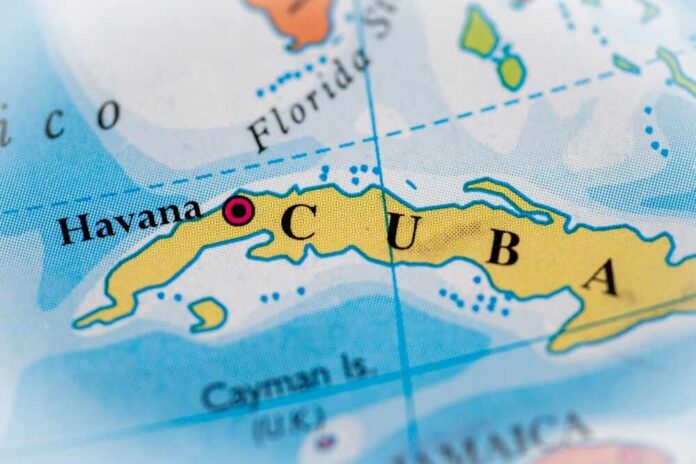
The Trump administration is intensifying pressure on Cuba through economic strangulation and back-channel diplomacy, betting that a combination of oil blockades and negotiating leverage will force regime change or capitulation without firing a shot.
Quick Take
- Trump has implemented a complete oil embargo on Cuba following the US-backed removal of Venezuelan leader Nicolás Maduro, cutting off the island’s primary energy source and triggering widespread blackouts.
- Behind the scenes, Secretary of State Marco Rubio is conducting back-channel negotiations with high-level Cuban officials, signaling willingness to lift sanctions in exchange for economic reforms and leadership changes.
- The administration frames this as “regime compliance rather than regime change,” but has made clear that Cuban President Miguel Díaz-Canel must step down as part of any deal.
- Trump has repeatedly stated he expects to “make a deal” with Cuba soon, while simultaneously threatening military intervention if negotiations fail.
The Oil Blockade Strategy
Venezuela’s fall in January 2026 fundamentally altered the calculus in Washington’s approach to Cuba. For decades, Venezuela supplied roughly ninety percent of Cuba’s oil imports, enabling the island to maintain basic electricity and transportation despite US sanctions.
With Nicolá Maduro removed and Venezuelan oil reserves now under US influence, Trump moved swiftly to weaponize energy dependence.
The administration authorized tariffs on any third country that sells or provides oil to Cuba, effectively imposing a total embargo on petroleum shipments.
The consequences have been immediate and severe: rolling blackouts plague Havana and provincial cities, hospitals operate on generators, and the economy teeters toward collapse.
U.S. military intelligence-gathering flights have surged off Cuba's coast in recent months, with at least 25 such missions tracked since Feb. 4, according to an analysis of publicly available aviation data. https://t.co/Kob1N5gnWm
— NEWSMAX (@NEWSMAX) May 11, 2026
This strategy reflects a calculated gamble that economic desperation will force Cuban leadership to the negotiating table faster than decades of conventional sanctions ever could.
Trump himself has suggested the regime will simply “fall of its own volition” as the energy crisis deepens. Whether that confidence is justified remains unclear, but the pressure is undeniably real and mounting daily.
The Diplomatic Back Channel
In parallel with the economic squeeze, Secretary Rubio has been conducting quiet negotiations with Cuban officials, including Raulito Valdés, a senior figure in Havana’s government.
At least one meeting occurred on the island of Saint Kitts during a Caribbean Community summit in late February, where Rubio’s deputy discussed potential economic reforms Cuba might implement in exchange for gradual sanctions relief.
The talks center on a straightforward proposition: open Cuba’s economy to foreign investment, allow Cuban nationals living abroad to invest in island companies, and implement market-oriented reforms. In return, Washington would gradually lift restrictions on oil, trade, and travel.
Trump has been remarkably transparent about these negotiations, telling reporters repeatedly that he is “talking” to “high-level” Cubans and expects to strike a deal soon.
This public messaging serves multiple purposes: it signals resolve to Cuban leaders while reassuring the Cuban-American business community that normalization and investment opportunities may be forthcoming. The president even suggested he might deploy Rubio to Cuba directly to finalize terms.
The Leadership Question
The sticking point in negotiations appears to be Cuba’s current leadership. While the administration publicly frames its goal as “regime compliance rather than regime change,” it has simultaneously signaled to Cuban negotiators that Díaz-Canel must go. Rubio stated bluntly that Cuba’s current leaders “don’t know how to fix it, so they have to get new people in charge.”
Trump, meanwhile, has declared his belief that he can do “anything” with Cuba, a comment that carries unmistakable menace beneath its casual phrasing.
This demand for leadership change creates a paradox: Cuban officials negotiating their own removal lack an obvious incentive to capitulate. Yet the deteriorating economic situation may force their hand.
Díaz-Canel faces growing pressure from within Cuba’s military and Communist Party to find a way out of the energy crisis. Whether that pressure proves sufficient to convince him to step aside remains the central question in these talks.
Investment and American Interests
Behind the diplomatic language lies a more fundamental American interest: restoring Washington’s pre-revolutionary position as the dominant economic influence over Cuba.
The Trump administration, led by a president with deep ties to the hospitality and real estate sectors, sees enormous opportunity in a normalized Cuba.
Hotels, resorts, casinos, and investment opportunities that have been off-limits for sixty years would suddenly become available. Cuban-American business interests would quickly build influential constituencies for lifting the embargo entirely and removing Cuba from the State Department’s terrorism list, which currently imposes severe restrictions on international banking and financial transactions.
This economic opening would fundamentally reshape the island’s political economy and reinforce American hegemonic influence in the Caribbean.
For Trump, it represents both ideological victory and financial opportunity—a combination that explains the administration’s simultaneous pursuit of military threats and diplomatic overtures.
READ NOW: US Spy Flights Surge off Cuban Coast — U.S. military intelligence-gathering flights have surged off Cuba's coast in recent months, with at least 25 such missions tracked since Feb. 4, according to a new report of publicly available…https://t.co/ANj82yCkj5
— Top News by CPAC (@TopNewsbyCPAC) May 10, 2026
The outcome remains uncertain. Cuba could capitulate, implement reforms, accept new leadership, and rejoin the American economic sphere. It could also resist, relying on Russian support and nationalist sentiment to weather the crisis.
What seems clear is that Trump has fundamentally raised the stakes in the decades-long confrontation between Washington and Havana, and the island’s leadership faces choices more consequential than any since the revolution itself.
Sources:
Trump’s ‘Maximum Pressure’ Campaign on Cuba, Explained
Trump’s Plan for “Taking” Cuba
Cuba plans to open up to investment from nationals living in U.S., as Trump pressure mounts