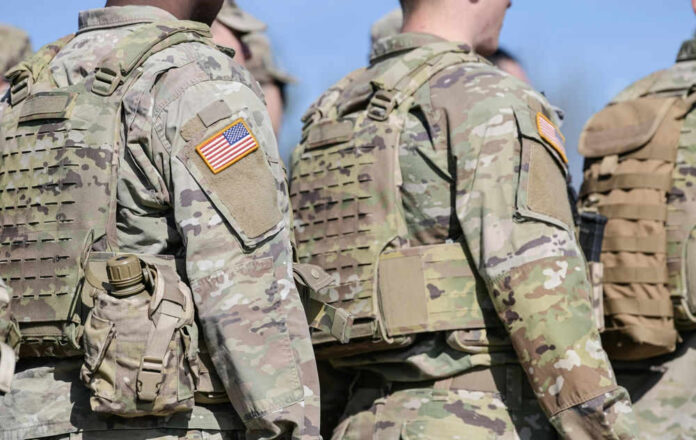
Exposing deep vulnerabilities in military base security and raising urgent questions about internal threats facing America’s armed forces, 5 U.S. soldiers were shot by a fellow Army sergeant on home soil.
Story Snapshot
- An Army sergeant used a personal handgun to shoot five fellow soldiers at Fort Stewart, Georgia.
- The suspect was subdued by other soldiers; all victims are now in stable condition.
- The incident triggered an immediate lockdown and a multi-agency emergency response.
- The attack has sparked renewed debate over base security, personal firearms, and insider threats.
Active Shooter at Fort Stewart Raises Alarms Over Military Base Security
Fort Stewart—home to the 3rd Infantry Division and more than 15,000 active-duty personnel—became the scene of a frightening internal attack. Army Sergeant Quornelius Radford, assigned to logistics and not previously deployed in combat, allegedly opened fire with his personal handgun at his workplace on base, wounding five fellow soldiers.
The base immediately went into lockdown as emergency responders and military police rushed to the scene. The suspect was quickly subdued by other soldiers, preventing further tragedy and underscoring the courage and rapid response of America’s military personnel.
The conditions of the wounded soldiers were initially unknown, fueling anxiety among military families and the broader Fort Stewart community. As updates emerged, base commander Brig. Gen. John Lubas confirmed that all five victims were hospitalized, three required surgery, but all were in stable condition and expected to recover.
The Army’s priority shifted to restoring order and supporting both victims and their families, while law enforcement agencies—including Georgia State Police, FBI Atlanta, and the ATF—collaborated on a thorough investigation into the shooter’s motives, which remain officially undisclosed.
Insider Threats and the Challenge of Base Security
This attack is a stark reminder that, while rare, insider threats can have devastating consequences even within America’s most secure military installations.
Unlike past high-profile incidents involving outside threats, this event involved an active-duty soldier using a privately owned firearm, highlighting ongoing debates over the presence and regulation of personal weapons on military property.
The rapid lockdown and emergency protocols demonstrated the military’s preparedness, yet the incident has prompted immediate calls for deeper reviews of base access controls, firearm policies, and mental health support for service members.
Fort Stewart’s shooting follows precedents like the 2009 Fort Hood tragedy, reinforcing the need for vigilance and comprehensive security measures.
Military analysts and security experts point to the challenge of balancing individual rights—including Second Amendment protections for service members—with collective safety.
Some advocate for stricter controls on personal firearms inside military bases, while others emphasize addressing underlying causes such as stress, trauma, and mental health issues among the troops.
The fact that the suspect had no known history of violence or combat deployment only intensifies the demand for robust early intervention and support systems.
Community Impact and Policy Implications
The immediate aftermath of the Fort Stewart shooting disrupted base operations, triggered medical and trauma support efforts, and sent shockwaves through military families and the surrounding Georgia community.
The White House has been briefed, and national attention is now focused on the investigation and potential policy responses. Lawmakers and military leaders face mounting pressure to ensure that internal threats are identified and neutralized before they put American lives at risk.
Long-term, this incident is likely to influence military policy on internal security, gun control within the armed services, and mental health screenings for service members.
The event has also fueled broader debates about the balance between individual liberties and collective security—a core concern for conservatives who value both personal responsibility and national defense.
As the nation’s largest Army post east of the Mississippi recovers, the lessons learned will resonate across military installations nationwide, reminding Americans that vigilance and common-sense policy must remain at the forefront of defending our men and women in uniform.
While the investigation into Sergeant Radford’s motives continues, military leaders and lawmakers must act decisively to close the gaps that allowed such an attack to occur.
The safety of America’s service members—and the faith of their families—depends on a renewed commitment to strong, sensible security measures that uphold both constitutional rights and the duty to protect those who serve.
Sources:
Georgia Army Base Lockdown Shooter – News9
Active shooter incident, casualties reported at Fort Stewart, Georgia – ABC News