
A granola aimed at nursing mothers was pulled nationwide after a salmonella warning.
Story Snapshot
- Hampton Grocers recalled Lacnola Lactation Granola over possible Salmonella contamination.
- The recall lists exact lots, dates, and a single Universal Product Code to help shoppers check.
- The product was sold online, including on Amazon, and shipped nationwide.
- No illnesses were reported at the time of the recall, which is common in precautionary pulls.
What Was Recalled And Why It Matters
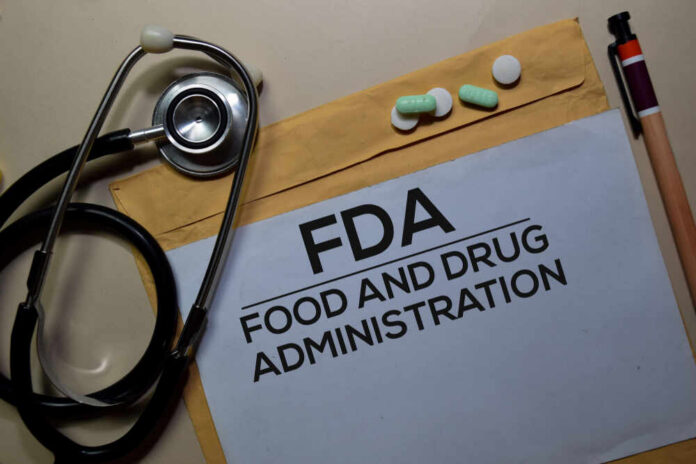
The Food and Drug Administration (FDA) posted a recall from The Hampton Grocers, Inc. for its Lacnola Lactation Granola in 8-ounce bags because it may be contaminated with salmonella. The notice includes a pink stand-up pouch, Universal Product Code 850035324554, and two lots with dates to help people identify the product.
The company said it acted to protect consumers while it investigates. The FDA classifies Salmonella as a serious risk, especially for young children and older adults.
Hampton Grocers distributed the recalled granola across the United States and through online retailers, including Amazon, which broadens the reach and makes checking pantries urgent. The recall targets two lots: HGLC-102125 with an expiration date of 21OCT2026, and HGLC-021326 with an expiration date of 13FEB2027.
Consumers should not eat the product and should throw it away or return it per the company’s instructions. The FDA advises against serving recalled foods to anyone.
How Salmonella Sickens And Who Faces The Highest Risk
Salmonella can cause fever, diarrhea, nausea, and stomach cramps. Symptoms can last several days. Dehydration can send people to the hospital. The risk is more severe for infants, older adults, and people with weak immune systems.
While granola seems low risk, dry foods with high-volume supply chains can still carry pathogens if an ingredient is contaminated. A tiny amount can spread across a large run. That is why a precise lot-based recall matters.
Food recall data show this pattern is normal, not rare. Product contaminants drive the vast majority of recalls, and salmonella is a regular cause across categories. Firms and regulators often act before any reports of illness.
That approach makes sense: move quickly to reduce potential exposure, then keep testing. A federal watchdog review found that high-risk recalls usually begin within days after a problem is flagged. Smart systems reward speed over delay when safety is at stake.
What Consumers Should Do Right Now
Check your pantry for Lacnola Lactation Granola in 8-ounce pink pouches. Match the Universal Product Code 850035324554 and the expiration dates 21OCT2026 or 13FEB2027. If you have a match, stop using it. Bag it and toss it or follow return guidance on the recall page.
Wash hands and wipe shelves where the pouch sat. If you already ate the product and feel sick, talk to a doctor. Mention possible salmonella exposure. Keep receipts or order emails for refunds.
Granola marketed to breastfeeding mothers and sold nationwide is being recalled over concerns of possible salmonella contamination.
New York-based The Hampton Grocer, Inc. is recalling certain 8-ounce packages of Lacnola Lactation Granola after an ingredient used in the product… pic.twitter.com/YTnOmFo8S6
— FOX Business (@FoxBusiness) August 17, 2026
Amazon orders make this easier. Search your order history by “Lacnola” or the Universal Product Code. If you use a subscription, pause it now. This is not about panic.
The Bigger Food Safety Picture
Granola recalls surprise people because they picture raw meat as the usual culprit. The data tell a broader story. From 2002 to 2023, contaminants drove nine out of ten food recalls involving Food and Drug Administration products, with Salmonella and Listeria among the top reasons.
Grain-based items, snacks, and spice-heavy foods have long histories with pathogen flags when one ingredient in a shared facility tests positive. Modern recall systems zero in on lots to trace and remove risk fast.
The company named the product, listed the lots, and moved to remove risk. The FDA posted clear details. No one buried the lede or hid identifiers. That is how the system should work.
Let markets move goods, and demand clear labels, rapid alerts, and personal responsibility at home. When firms and families do their part, safety rises and costs fall.
Sources:
foxbusiness.com, fda.gov, efoodalert.com, medgrade.org, businessinsider.com, publichealthtrace.com, analytics.usa.gov