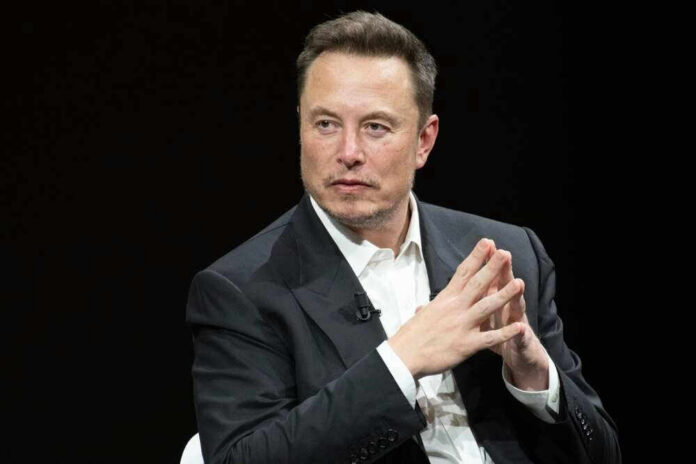
Elon Musk just announced plans to build a massive chip manufacturing facility for Tesla and SpaceX in Texas, bypassing foreign suppliers in a bold move that could reshape American semiconductor independence—but his track record on overpromising raises serious questions about whether this ambitious project will deliver or become another costly distraction.
Story Snapshot
- Musk unveils joint “Terafab” chip facility for Tesla and SpaceX near Austin to address supply shortages from foreign manufacturers
- Facility aims to produce chips supporting 100-200 gigawatts of computing power on Earth and a terawatt in space—unprecedented scale for private ventures
- Announcement comes amid ongoing frustrations with global chip supply chain and reliance on firms like TSMC and Nvidia
- Industry experts express skepticism given Musk’s lack of semiconductor manufacturing experience and history of overpromising on timelines
Breaking Free From Foreign Chip Dependency
Elon Musk announced on March 21, 2026, at an Austin event that Tesla and SpaceX will construct a joint semiconductor fabrication facility dubbed “Terafab” near Tesla’s Austin headquarters and Gigafactory. The announcement addresses persistent chip supply shortages that have hampered both companies’ artificial intelligence and robotics ambitions.
Musk framed the decision as existential necessity, stating bluntly: “We either build the Terafab or we don’t have the chips, and we need the chips, so we build the Terafab.” This marks a significant departure from traditional outsourcing models that have left American companies vulnerable to foreign supply chain disruptions.
Musk says SpaceX and Tesla to build advanced chip factories in Austin https://t.co/NHMZsWbk4g https://t.co/NHMZsWbk4g
— Reuters (@Reuters) March 22, 2026
Unprecedented Computing Ambitions With Unproven Execution
The proposed facility targets production of chips capable of supporting 100-200 gigawatts of computing power annually on Earth and an ambitious terawatt in space for SpaceX operations. This scale represents unprecedented territory for private semiconductor ventures.
Tesla requires advanced chips for its Dojo supercomputer and Optimus robots, while SpaceX needs radiation-hardened chips for satellites and Mars missions. However, Musk provides no timeline, cost estimates, or partnership details for this massive undertaking.
The semiconductor fabrication industry requires billions in capital expenditure and highly specialized expertise that neither Tesla nor SpaceX currently possesses in-house, raising legitimate concerns about feasibility.
Vertical Integration Strategy Rooted In Supply Chain Frustrations
Musk’s announcement follows years of chip supply frustrations during the 2020-2022 global shortages that exposed critical vulnerabilities in both companies’ operations. He has previously criticized major suppliers like TSMC and Nvidia for delays that constrained production.
The vertical integration approach mirrors Musk’s successful strategies with Tesla’s in-house battery production and SpaceX’s custom rocket engines. Both companies have already developed custom chips—Tesla’s Dojo processors and SpaceX’s RISC-V chips for Starlink—but relied on external fabrication partners.
Building a full-scale fabrication facility represents the logical extension of this self-reliance philosophy, though it enters uncharted territory for Musk’s enterprises.
Execution Risks Cast Shadow Over Bold Vision
Industry observers note significant red flags surrounding Musk’s announcement. He has no background in semiconductor fabrication, an extraordinarily complex field requiring precise manufacturing tolerances and multi-billion dollar investments in specialized equipment from suppliers like ASML.
Musk’s well-documented history of overpromising on timelines—particularly Tesla’s Full Self-Driving capabilities—creates understandable skepticism about this venture’s realistic prospects. The announcement provided no details on funding sources, construction timelines, hiring plans, or technological partnerships necessary to execute such an ambitious project.
While the vision aligns with broader American manufacturing resurgence goals and the CHIPS Act incentives, translating grand announcements into operational semiconductor fabs remains an enormous challenge that has humbled even experienced industry players.
ELON MUSK SAYS TESLA, SPACEX TO BUILD ADVANCED CHIP MANUFACTURING FACILITY- FOX BUSINESS
— TENET RESEARCH (@tenet_research) March 24, 2026
The Austin facility could deliver substantial economic benefits through job creation and reduced foreign dependency if successfully executed. However, conservative voters who supported Trump’s America First manufacturing agenda should demand concrete details and accountability rather than accepting aspirational announcements at face value.
The semiconductor industry’s complexity requires more than bold vision—it demands technical expertise, disciplined execution, and realistic timelines. Whether Musk can deliver on this promise or whether it becomes another overhyped project remains to be seen, but skepticism is warranted given the massive gap between announcement and operational reality in advanced chip manufacturing.
Sources:
Elon Musk unveils chip manufacturing plans for SpaceX and Tesla – TechCrunch
Elon Musk highlights chip manufacturing plans for Tesla and SpaceX – Jang