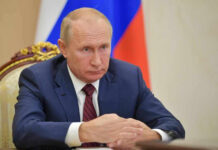


German Chancellor Friedrich Merz urges President Trump to delay strikes on Iran’s power plants, exposing the risks of endless foreign wars that drain American blood and treasure while spiking energy costs at home.
Story Snapshot
- Merz warns Trump on the March 22 phone call about escalation from power-plant attacks, welcomes a 5-day delay to March 28.
- Trump opens door to direct Iran talks, but no joint war-end plan exists amid ongoing U.S.-Israel bombings.
- Europe limits support for defense, prioritizing oil price stability over a full war commitment.
- MAGA base questions endless regime change conflicts, echoing Trump’s promise to avoid new wars.
Merz’s Direct Intervention with Trump
German Chancellor Friedrich Merz called President Donald Trump on March 22, 2026, expressing serious concerns over planned U.S. strikes on Iranian power plants.
Merz highlighted risks of broader escalation amid Iran’s nuclear ambitions and regional aggression. Trump agreed to delay action by five days, until approximately March 28, and signaled openness to direct dialogue with Iran.
Merz publicly revealed this concession at a Berlin press conference on March 23, offering German cooperation for de-escalation. This rare European pushback underscores transatlantic tensions during the conflict.
German president calls Iran war a disastrous mistake, in rare rebuke of Trump – https://t.co/QpbB46rG7l
— Reuters Iran (@ReutersIran) March 24, 2026
Timeline of U.S.-Iran Conflict Escalation
U.S.-Israeli “Operation Epic Fury” bombings began on February 28, 2026, targeting Iran’s nuclear sites following failed negotiations and Ayatollah Khamenei’s killing. European allies, including Germany, France, and Britain, restricted aid to Gulf defensive actions.
On March 3, Merz met with Trump at the White House, supporting war aims but warning of oil and gas price spikes that would hurt global economies. Iran’s Gulf strikes prompted European nuclear deterrence discussions. No unified endgame plan exists, heightening the risk of a prolonged engagement.
Stakeholder Positions and Motivations
Friedrich Merz, a Christian Democrat, balances hawkish anti-Iran stance with economic warnings, boosting NATO spending to align with Trump while asserting EU sovereignty.
Trump seeks military degradation of Iran without full regime change overreach, valuing Merz’s defense hikes. Iranian leaders defend infrastructure amid threats of retaliation. Israel and U.S. forces focus on neutralizing nuclear threats.
EU partners prioritize energy security and limits on escalation. Merz maintains cordial ties with Trump, unlike past leaders, but pushes restraint on the Ukraine and Iran fronts.
Power dynamics show the U.S. leading offensive operations, Europe handling defense, with absent coordination fueling German fears of indefinite war.
Impacts on America and Global Energy
Short-term, the delay averts immediate Iranian power outages and temporarily stabilizes oil prices, benefiting U.S. families facing high energy costs. Long-term, absent a swift end, risks endless conflict, Iranian retaliation, and disrupted global energy supplies.
Economic fallout includes volatility harming American workers; political strains test transatlantic trust amid EU sovereignty drives. Iranian protests signal regime instability, but U.S. involvement echoes past interventions conservatives oppose. Diplomacy now edges out unchecked military action, aligning with calls to prioritize America First.
German President Calls Iran War Disastrous Mistake, in Rare Rebuke of Trump https://t.co/wjifwhAqg9
— Eric Martin (@EricMar25918091) March 24, 2026
Sources:
Merz Seeks Early End to Iran War in Trump Meeting
Iran International on Merz-Trump Developments