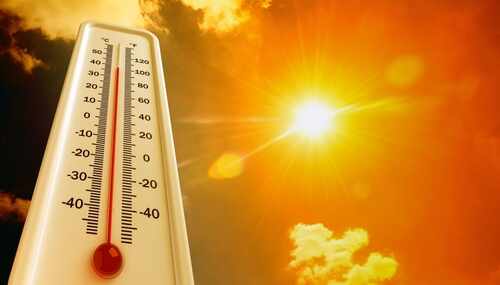
Your next summer flight delay might not be a glitch in the system, but a simple law of physics coming home to roost.
Story Snapshot
- Hotter air makes it harder for planes to take off safely, forcing delays and weight cuts.
- Recent heat waves have already triggered thousands of delays and cancellations in the United States and Europe.
- Researchers say human-driven warming will push more flights into heat-related limits at major airports.
- Travelers can dodge some of the mess with smarter timing and airport choices.
How Extreme Heat Turned Into a Hidden Flight Problem
Travelers used to blame crowded airports, cranky crews, or vague “weather” when their flight vanished from the departure board. Now, scorching heat is stepping out from behind the curtain as a clear culprit.
When air temperatures soar, the air itself changes. Hot air is less dense, which means fewer molecules for the wings to grab and engines to push against. That simple fact forces planes to need more speed and more runway to get off the ground.
On mild days, aircraft have cushion to spare. Performance charts give pilots safe limits based on weight, runway length, and air temperature. But once the thermometer jumps toward triple digits, that cushion shrinks. Airlines must either lighten the plane or wait for cooler air.
That can mean pulling bags, trimming fuel, or in blunt cases, asking paying passengers to step off the flight so the remaining passengers can launch safely. Safety wins, but schedules lose.
What Has Already Happened During Recent Heat Waves
This is not a “maybe someday” scenario. Recent summers have delivered real-time stress tests. During a broad heat wave stretching from Nebraska to the Carolinas, tracking data showed more than seven thousand flights delayed in a single day across the United States.
Record heat in Europe triggered over 1,450 weather-related disruptions in one day, including more than 60 cancellations. These are not isolated hiccups; they are snapshots of a system hitting its limits.
Rising temperatures are forcing airlines to delay flights or reduce passenger loads because hot, thin air decreases airplane lift. Travelers should prepare for potential heat-related delays as extreme summer weather impacts nationwide flight schedules. https://t.co/PfgXe34FV6 pic.twitter.com/tKaAaHLJk8
— KTBS (@KTBS) August 5, 2026
Local stories paint an even sharper picture. Las Vegas, Phoenix, and other hot-weather hubs have seen flights held on the ground because performance tables do not cover such extreme heat. When that happens, crews cannot legally depart until conditions improve.
The Physics That Quietly Rules Your Boarding Pass
Aviation experts describe this as a practical form of “density altitude.” Hot air acts like high-altitude air, even when the runway sits near sea level. As density drops, lift and engine thrust fall. To keep the math on the safe side, pilots either need a longer runway, a lighter plane, or cooler air.
At many busy airports, runway length and departure spacing are already tight. That leaves only one knob to turn: weight. Cutting weight slows the boarding process and can push connecting flights into chaos.
Here is where the climate angle enters. A Columbia University study, reported by Climate Central, found that by the middle of this century, between ten and thirty percent of flights departing during the hottest hours at nineteen major airports may need weight restrictions.
On the hottest days after 2050, some flights may need to cut up to four percent of their takeoff weight. That may not sound like much, but in airline terms, four percent can mean dozens of passengers, thousands of pounds of cargo, or critical fuel margin.
Sorting Climate Facts From Everyday Travel Headaches
Airlines and airports push back on alarmist headlines for a reason. Many delays still come from storms, outdated control systems, crew shortages, and simple overbooking of airport capacity.
Experts who track delay statistics note that the share of total delay minutes blamed on weather has dipped over decades, even as heat events grow more common. That means heat is a rising share of a smaller weather pie, not the only villain in your summer travel saga.
The right way to weigh this is straightforward. The physics are not political. Hotter, thinner air reduces lift and engine power. That forces limits on weight and timing that nobody can wish away.
There is legitimate debate over how much of the warming trend comes from human activity, but there is little honest debate that more intense heat waves now strain airport operations. The smart response is not panic and bans, but hard-nosed planning: better infrastructure, clearer rules, and real respect for limits.
How Airlines And Travelers Can Adapt Without Drama
Airlines have already begun to adjust. Carriers that serve very hot cities now treat weight cuts as standard practice on some summer departures. Schedulers are shifting more heavy, long-haul flights away from the hottest times of day when possible.
Airports invest in longer runways, improved taxi routing, and better coordination with the Federal Aviation Administration (FAA) to keep traffic flowing even when heat forces extra spacing between departures. These steps cost money now but help avoid bigger breakdowns later.
Travelers are not helpless, either. Flight safety experts say early morning and late evening flights face fewer heat limits, because the air is cooler and denser.
Choosing those windows lowers the odds of sitting in a metal tube on the tarmac while the sun pounds the runway. Connecting through airports with longer runways and cooler climates can also shave risk.
For frequent fliers, the new summer strategy is simple: treat extreme heat like a thunderstorm. Build slack into your schedule and respect the warnings.
Sources:
abcnews.com, erau.edu, nbcnews.com, weather.com, scientificamerican.com, ndtv.com, forbes.com, usatoday.com, washingtontimes.com, fox35orlando.com, bloomberg.com, 0e190a550a8c4c8c4b93-fcd009c875a5577fd4fe2f5b7e3bf4eb.ssl.cf2.rackcdn.com, youtube.com, time.com, cbsnews.com, facebook.com, indiatoday.in