American families will continue suffering from inflated beef prices despite industry experts acknowledging the crisis has peaked, leaving hardworking consumers trapped by supply chain greed and the lingering effects of failed economic policies.
Key Points
Beef prices spiked 14.7% year-over-year while overall food inflation hit just 3.1%
Cattle inventory dropped to lowest November levels since 2018, down 2% from last year
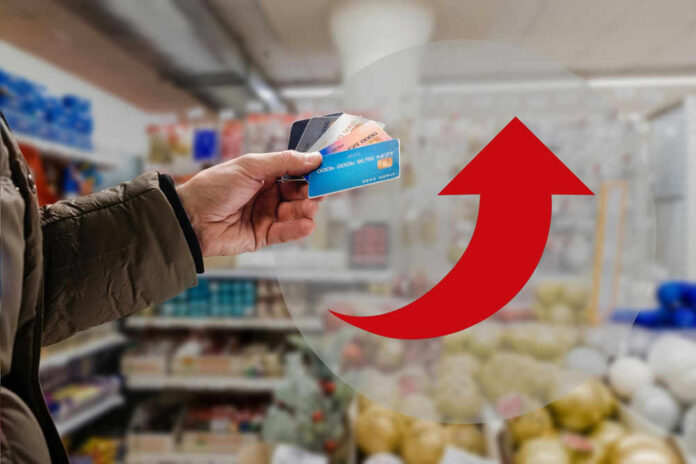
Beef prices reached record highs in 2024, with costs jumping 14.7% compared to the previous year while overall food prices increased only 3.1%. This devastating disparity reflects years of economic mismanagement that created deteriorating pasture conditions, rampant inflation, and contracting cattle inventory. Working families now face what Wells Fargo economist Michael Swanson calls “a slow and painful process” for any meaningful relief.
The Department of Agriculture’s latest “Cattle on Feed” report exposes alarming trends undermining America’s beef independence. Only 11.7 million cattle remain on feed as of November 1, marking the lowest November inventory since 2018. October feedlot placements plummeted to historic lows at 2.04 million head, down 10% from the previous year. This shortage forces American buyers to rely on international suppliers, keeping domestic prices artificially elevated.
Supply Chain Greed Blocks Consumer Relief
Multiple industry players—cattle producers, meat packers, wholesalers, and retailers—prioritize protecting their profit margins over providing relief to struggling American families. Each link in the supply chain refuses to accept lower profits, creating an artificial barrier preventing price reductions. This corporate selfishness demonstrates how big business often puts profits before the people who built this country through honest work and traditional values.
Market Disruption Signals Potential Turning Point
Tyson’s announcement to permanently close its Lexington, Nebraska processing plant by January 2026 and reduce Texas operations immediately triggered sharp drops in live cattle prices. While prices partially recovered, they remain below recent peaks, suggesting market forces may finally pressure the industry toward competition. Swanson predicts potential 10% price declines similar to 2014 levels, but warns consumers won’t see immediate grocery store relief.
The beef crisis exemplifies how failed policies create lasting economic pain for American families. While industry executives acknowledge prices have peaked, their reluctance to sacrifice profits means hardworking patriots will continue paying inflated costs for basic nutrition. This situation demands leadership that puts America first and holds corporate interests accountable to the people they serve.