
President Trump says the United States is taking a reported Iranian plot to detonate a dirty bomb in Washington, D.C. “very seriously.”
Quick Take
- Seven U.S. officials told CNN that intelligence points to Iranian planning involving a dirty bomb or chemical weapon, with specific targets inside Washington, D.C.
- President Trump and Homeland Security Secretary Markwayne Mullin issued blunt public warnings, with Mullin saying an attack on the capital would mean “an all-out war.”
- Iran’s Foreign Ministry called the report a “fabricated media narrative,” and its foreign minister compared it to “Iraq War-style propaganda.”
- The White House says there is no credible threat to the homeland right now, even as it watches the situation closely.
What The Intelligence Reportedly Shows
CNN reported on November 16 that seven U.S. officials described intelligence suggesting Iran was developing plans to target senior Trump administration officials. Two officials said the planning included specific locations and targets in Washington, enough to trigger U.S. contingency planning. Officials also picked up Iranian chatter claiming bomb-making materials had already been stashed somewhere inside the United States, according to the same report.
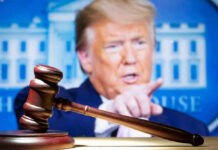
President Donald Trump said the U.S. is taking seriously reports of a potential Iranian plot to detonate a “dirty bomb” in Washington, D.C., when asked about the alleged threat on Tuesday.
Trump warned that Iran would “pay a price the likes of which no country has ever paid… pic.twitter.com/srx8l5Iz3a
— CBS News (@CBSNews) November 17, 2026
Sources described the planning as an effort to give Tehran options, not a sign of an imminent attack. Still, officials called it evidence of an “alarming willingness to escalate”. That distinction matters. A government exploring options is different from a government that has pulled the trigger, but dismissing the signal entirely would be reckless given Iran’s long record of targeting Americans abroad and at home.
Trump And Mullin Respond With A Warning Shot
President Trump didn’t soften his language. He said Iran would pay a price unlike anything a country has ever paid if it attacked the capital. Mullin went further, warning that any strike on American soil would mean total war, though he added that Russia and China would not come to Iran’s defense. That combination of fire and reassurance is deliberate messaging aimed at both deterring Tehran and keeping Americans calm.
The White House, through spokesperson Lauren Bis, struck a more measured tone, saying officials are “monitoring any and all potential threats” but that there are currently no credible threats to the homeland. That’s not a contradiction. It’s how serious governments operate: take the warning seriously, prepare contingencies, and avoid inducing public panic over a threat that hasn’t materialized.
Tehran Denies It, Calling The Report Propaganda
Iran’s Foreign Ministry spokesperson Esmaeil Baghaei dismissed the entire account as a “fabricated media narrative,” accusing Washington of manufacturing a pretext for aggression. Foreign Minister Abbas Araghchi went a step further, branding the report “Iraq War-style propaganda,” a direct reference to the discredited weapons claims that preceded the 2003 invasion. That comparison is calculated. Iran knows invoking the Iraq War taps into American skepticism toward intelligence claims used to justify military action.
Independent nuclear security expert Miles Pomper offered a more measured read, suggesting Iran might be signaling a capability without planning to actually use it. District public safety officials echoed the White House, saying there were no credible threats at the time. These voices don’t erase the underlying intelligence, but they do argue for treating the plot as a potential option under consideration rather than an attack already set in motion.
Dirty Bomb Versus Nuclear Weapon: A Distinction Worth Remembering
A dirty bomb isn’t a nuclear weapon. It pairs conventional explosives with radioactive material to spread contamination, not a nuclear blast. That distinction doesn’t make the threat trivial. A successful attack could contaminate blocks of the capital and sow lasting fear, but it’s a different category of danger than a nuclear detonation, and conflating the two risks distorting the public’s understanding of what’s actually at stake.
Why This Fits A Familiar Pattern
Iran has used covert operations and proxies as tools of state policy since the Islamic Republic’s founding, including a 2011 plot to assassinate Saudi Arabia’s ambassador in Washington. That history gives weight to taking this report seriously rather than waving it away as impossible. At the same time, American intelligence has stumbled before when turning ambiguous signals into certainty, a lesson from the Iraq War that should temper confidence without demanding inaction.
None of this resolves neatly. The administration is right to warn Iran in the clearest possible terms while acknowledging the limits of what’s confirmed. Americans don’t need certainty to expect their government to prepare for the worst, and they don’t need panic to understand that a hostile regime with a decades-long grudge against the United States deserves to be watched closely, not given the benefit of the doubt.
Sources:
cnbc.com, cnn.com, edition.cnn.com