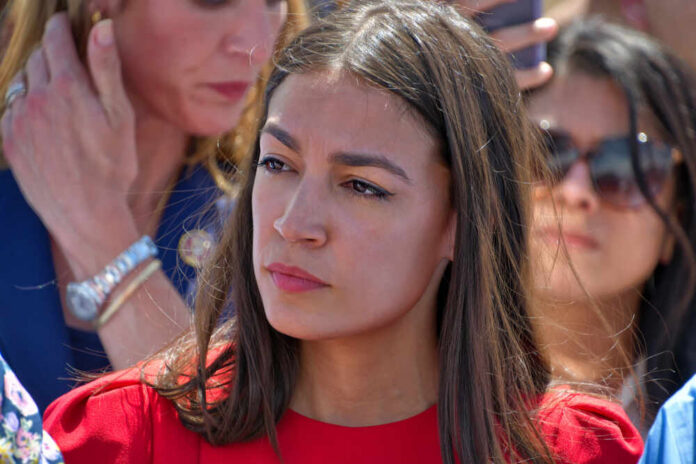
Alexandria Ocasio-Cortez says the years ahead form a “very unique political window,” and she is keeping the White House option open.
Story Snapshot
- Ocasio-Cortez told The New York Times she will weigh a 2028 decision after the midterms.
- Her options include staying in the House, running for the Senate, or a White House bid.
- She rejects “deference” as a reason to hold back and stresses timing and leverage.
- Public hints and strategic ambiguity fuel horse-race coverage and speculation.
A Direct Signal: 2028 Is On The Menu
The New York congresswoman discussed her political future in a reported interview, saying she will decide on 2028 after the midterm elections.
The New York Times framed her choices as three clear paths: keep her House seat, challenge Senator Chuck Schumer for the Senate, or run for president.
That list matters because it shows she is not closing any door. It also fixes the clock. Waiting until after the midterms lets her test the climate while keeping donors and allies alert.
Mediaite captured her tone: decisions will not be ruled by “deference.” She called the next stretch a “very unique political window,” which signals that timing, not age or resume boxes, will guide her.
That framing creates room to move. She can claim readiness if the progressive lane looks open, or pivot if the numbers say wait. This is classic pre-campaign positioning. It keeps her name in the conversation without the rules and scrutiny of a formal run.
Why The Wait Matters: Power Flows To Options
Waiting until after the midterms is not stalling; it is leverage. Midterms will show which factions set the tone. Strong progressive results could make a White House run look viable. Weak results could point to a Senate path.
The New York Post reported she has said she will make any of those considerations after the midterms, underscoring how she ties the call to outcomes, not chatter. That approach is simple risk management. It treats 2028 like a market you do not buy until the price makes sense.
AOC reveals what it will take for her to seek White House or Senate https://t.co/lLO4a8LtN5 pic.twitter.com/MLrtskWpJb
— New York Post (@nypost) September 20, 2026
Public signals beyond The New York Times piece fit that approach. She has not ruled out a presidential run in other venues, and she has shared personal planning choices that suggest long-term thinking about work and family balance, another sign she is building room to maneuver.
None of that is a launch. But it builds a runway. It also invites supporters to start organizing, so she is not starting from zero if she jumps.
The Speculation Machine: Horse-Race Logic Kicks In
Every open door becomes a headline. Scholars have long noted that media reward strategy talk and future matchups over policy. That “horse-race” framing thrives on ambiguity because it promises a cliffhanger and more clicks tomorrow.
In plain terms, “maybe” equals momentum. For Ocasio-Cortez, that means any comment about timing, lanes, or leverage will spark another round of who’s up, who’s next, and what if. It keeps her central in the national story without burning campaign cash.
Influential Democrats are already lining up behind Alexandria Ocasio-Cortez for 2028, comparing her potential run to Obama's 2008 upset. Do you want AOC in the White House? pic.twitter.com/ahlCNJ0yk5
— Victoria Ellis 🇺🇲🇺🇲❤️ (@Ellis5ol) September 21, 2026
That cycle helps, but it cuts both ways. It raises expectations and can invite inflated claims from boosters or critics. The clean read from the reporting is tighter: she admits the decision window exists, she links it to post-midterm facts, and she names the three paths in play.
That is firm enough to be news, and disciplined enough to avoid a box she cannot exit. From a common-sense view, the strategy is obvious: keep your options open until the scoreboard speaks.