
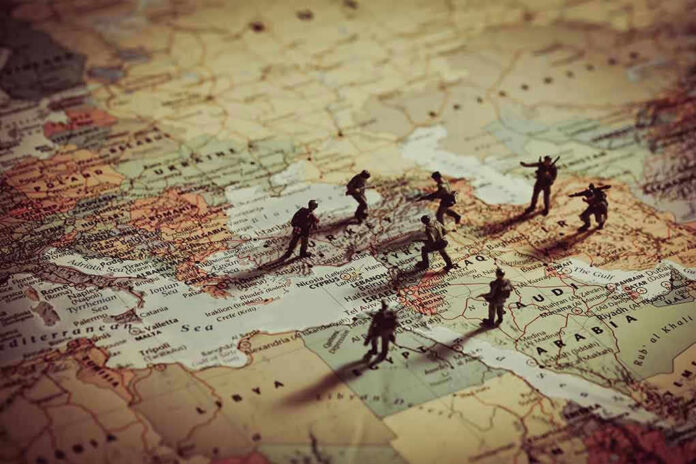
Classic toy soldiers just got names, faces, and two-to-five-hour life stories you can hear yourself.
Story Snapshot
- A Texas startup turns real U.S. veterans into American-made plastic soldiers.
- Each figure links by QR code to a recorded veteran interview, two to five hours long
- Named veterans are identified, creating a traceable model-to-person link
- Production partners in Michigan handle tooling and molding for U.S. manufacturing
Real people behind the figures and the mission to save their stories
Founder Tyler Donovan launched Real Plastic Heroes to restore the little green army man, but with real veterans as the models. He says American manufacturing is the only honest way to honor their service, and he backs it with a U.S. production plan. Donovan also records long-form interviews with each veteran, then places a QR code with every figure so buyers can hear the service story straight from the source. Dallas Innovates reports eight figures at launch.
Air Force veteran Eric Lionheart publicly supports the effort to keep stories alive. He says the mission drew him in, not just the idea of a toy. That detail matters because it turns a shelf piece into a voice. Families can scan a code on the packaging and listen to hours of first-person history. That is a museum in a blister pack. It also raises the bar for what a “collectible” can be: not just a likeness, but a lived record.
Made in America, on purpose and by design
Donovan ties respect for veterans to where and how the product is made. He argues that if the figure honors those who served the nation, the work should stay in the nation. Coverage identifies TK Mold & Engineering in Romeo, Michigan, as a production partner, a shop that builds tooling and makes parts for demanding industries. That is not a vague label; it is a named factory with capabilities that match the claim of U.S. manufacture.
The Federal Trade Commission (FTC) sets a clear standard on “Made in USA” claims: products marketed without qualifications should be “all or virtually all” made here. The agency has enforced that line across many industries, with recent sweeps and penalties to protect honest businesses and buyers. Real Plastic Heroes emphasizes U.S. production and names its partner. That kind of specificity reflects the standard that the FTC describes and conservative values expect: say what you do, and do what you say.
From toy aisle to teaching tool—how the QR code changes the home
The business model flips nostalgia into a gateway for real education. Kids see a soldier pose that looks familiar. Parents scan the code and meet the person behind it. Donovan calls it a “Trojan horse” for stories in American homes. Dallas Innovates reports that each of the first eight figures represents a specific veteran, with names the public can track. That traceability gives families confidence that the story they hear ties to the figure they hold.
Fox Business lists several named veterans tied to figures, including Air Force and Army service members, and reports interview lengths between two and five hours. That depth is rare in toys and even rare in news. It helps move war talk beyond dates and gear to choices, risks, and friendships. It also respects the families who carry the legacy. Long-form audio can hold faith, fear, and the quiet details that short bios erase.
Why this fits the moment—and what to watch next
America craves work that builds pride without spin. This project hits that note. It prizes craft, names the people, and puts the product where the promise is: in the United States. It invites kids to engage and lets parents steer the story. That is the conservative recipe for culture that lasts: families first, truth over slogans, and pride in the shop floor. The approach also aligns with the Federal Trade Commission’s clarity on origin claims. Clear claims should match clear facts.
Little green army men just got real. Real Plastic Heroes turns actual U.S. veterans into American-made plastic figures. Honors service, preserves stories via QR codes, and revives U.S. manufacturing. @RPlasticHeroes #VeteransDay #MadeInUSA #RealPlasticHeroes #SupportOurTroops…
— TRU SE7E7 7 (@TRUSE7EN7) November 11, 2026
Next steps could expand the impact. More figures would mean more branches and eras. Wider retail reach would put these stories in more homes. Extras like lesson guides or short cuts from the interviews could help teachers bring first-person history to class. None of that changes the core idea. A simple piece of plastic can carry a man or woman’s voice. When the story rides along, the toy becomes a bridge between generations—small in the hand, big in the home.
Sources:
foxbusiness.com, dallasinnovates.com