
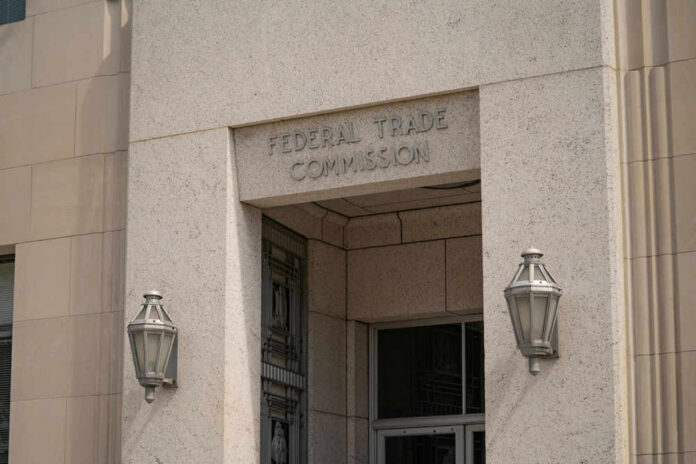
The Federal Trade Commission is probing whether companies use your personal data to decide your price, not just your ad.
Story Snapshot
- The Federal Trade Commission used legal orders to gather internal pricing documents from major vendors.
- Staff reported that some tools can tailor prices or discounts using granular personal data.
- The inquiry spans finance, retail, travel, and tech, suggesting a cross-industry practice.
- The Federal Trade Commission framed risks across privacy, competition, and consumer protection.
The Federal Trade Commission’s case file starts with hard data, not guesswork
The Federal Trade Commission sent compulsory orders to eight firms that market pricing and analytics systems. The list included a global card network, large consultancies, and software vendors tied to airlines, retailers, and banks. Staff then reviewed internal materials that describe how these systems pull from a wide range of consumer signals. The agency said it wanted to see how companies might use personal data to set different prices or discounts, not just tailor ads.
Investigators reported that company documents showed potential use of location, demographics, browsing and shopping history, mouse movements, and even items left in carts to shape what a person pays or is offered. That scope reaches beyond classic demand-based changes like weekday versus weekend pricing. It touches the hot-button question that hits every wallet: do two people see different prices because a system predicts who will pay more? Staff said some respondents could steer prices or show higher-priced options based on past behavior.
What makes this different from ordinary dynamic pricing
Airlines, ride-hailing, and retailers have changed prices for decades based on time, demand, and inventory. The Federal Trade Commission’s focus lands on personalization tied to a specific person’s traits or actions. That is a sharper edge. It aims at willingness to pay, not just seat supply. The Organization for Economic Co-operation and Development once noted weak proof that personalized pricing was common. But the tools the agency now describes show how it could work at scale.
The study’s reach spans financial services, travel, retail shelves, and online storefronts. The July orders named Mastercard, Revionics, Bloomreach, JPMorgan Chase, Task Software, PROS, Accenture, and McKinsey and Company. Later Federal Trade Commission materials referenced documents from Mastercard, Accenture, PROS, Bloomreach, Revionics, and McKinsey. That mix suggests price decisions can run through payment networks, consulting playbooks, and software many brands share. Cross-industry tools often mean cross-industry effects.
Consumer stakes: privacy, fairness, and competition
The agency placed this investigation squarely in consumer protection. If a system learns that shoppers in one zip code click faster, it can tempt sellers to raise prices there. If the same system flags a loyal traveler’s urgent search pattern, it can tilt fares up. That kind of targeting can punish trust and urgency. The Federal Trade Commission said it is assessing privacy harms, competition effects, and basic fairness to consumers. That is the heart of its mandate.
American conservative values align with transparent markets and consent. People should know when their data helps set their price. Sellers should compete on product and service, not on invisible sorting that gouges less tech-savvy shoppers. If personalization lowers prices through real discounts, show the rules and let shoppers opt in. If it raises prices in the shadows, that looks like a hidden tax on information asymmetry. Sunlight and clear choice protect both liberty and markets.
Where the inquiry stands and what to watch next
The Federal Trade Commission labeled its January 2025 publication an initial staff view and said the review continues. That status matters for timeline, not for urgency. The agency now has company documents that describe how data flows into pricing engines. The next steps could include more orders, public reports, or targeted enforcement if the facts support it. The key test is simple: did personal data change a person’s price or only the ad they saw?
FTC ordered Walmart, Uber, Delta and 6 others to show whether personal data sets individual prices or pay. FTC Chair Andrew Ferguson (R): "Consumers deserve to know." Democrats: H.R. 4640 (Rep. Casar) would ban surveillance-based pricing; filed July 2025. https://t.co/JkVbF9uWeO pic.twitter.com/4iCeJgyuaS
— Center Aisle News (@CenterAisleNews) October 29, 2026
Consumers can take three quick steps while the investigation moves. First, log out or use guest mode for price checks, then compare. Second, clear cookies and try a second device or browser. Third, watch for loyalty program fine print. If a price or discount shifts with your login, note the pattern. These habits do not fix the market, but they shrink your data trail. They also make it easier to spot and report odd pricing swings if they persist.