
America’s most famous candies just swapped petroleum-based dyes for beet juice and turmeric, and you can buy them today.
Story Snapshot
- Mars is selling new versions of M&M’s, Skittles, and Starburst without artificial dyes.
- The first wave is online, with natural colors like beet juice, turmeric, and spirulina.
- Mars plans broader “without Food, Drug & Cosmetic colors” options across brands in 2026.
- Classic versions stay on shelves; the dye-free options expand choice, not replace.
What Mars Changed And Where To Find It
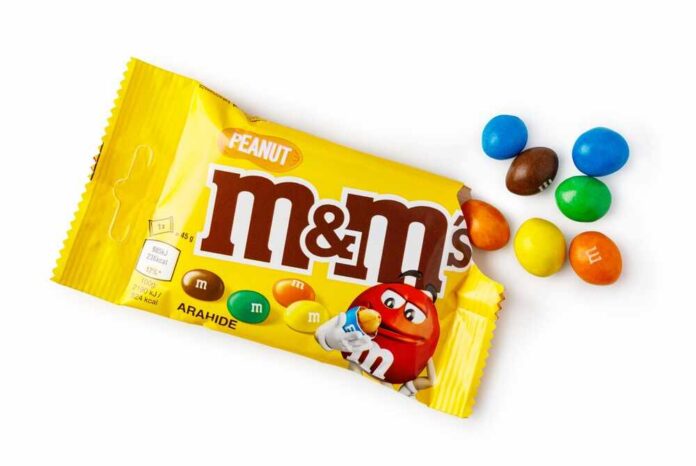
Mars rolled out versions of M&M’s, Skittles, and Starburst that skip artificial dyes. The company uses natural sources for color, including beet juice for red, turmeric for yellow, and a mix of turmeric, beet, and spirulina for green.
These items first appear online, which lets Mars control supply and watch feedback before wider retail. The move follows a 2025 pledge to offer options “without Food, Drug & Cosmetic colors” across key brands starting in 2026.
Some of the country's most recognizable candies are getting a makeover.
Starting Thursday, new versions of M&M's, Skittles and Starburst made without artificial food dyes are available to consumers on Amazon. https://t.co/FZfuqmNznz
— ABC News (@ABC) August 13, 2026
The word “version” matters. Mars told reporters these are product options, not a swap-out of the entire lineup. That signals a market test with training wheels. Loyalists keep their familiar bags.
Curious shoppers try the cleaner-label set. If sales grow and the taste passes family movie night, stores will ask for more shelf space. That is how big brands de-risk change without punishing their core fans.
What Is Inside The New Colors
Food color is chemistry and craft. Natural red often comes from beet juice. Yellow leans on turmeric. Green can blend turmeric, spirulina, and beet to hit the right hue. These choices avoid certified synthetic colors but must still survive heat, light, and time.
Natural pigments fade faster and can vary by crop. That makes stable coatings on chocolate and chewy candy a tough job. Getting it right at scale takes new blends, new vendors, and new quality checks.
Reports suggest early M&M’s sets skip blue and brown. Blue is hard to match naturally at the price and stability people expect. Brown can be made by blending, but taste and look must please picky fans.
That absence does not read as retreat. It reads like smart staging. Solve the easy colors first. Learn from real shoppers. Then tackle the hardest shades with better data and fewer surprises at the factory line.
Why A Giant Candy Maker Bothered
Parents read labels. School lunch rules shape habits. States and countries debate dyes. Brands that listen early keep trust. Mars framed this as offering choice, not a mandate.
If you like the classic, it stays. If you want a dye-free option, you now have it. Let the best product win on taste, price, and ingredients. No lecture. No ban. Just a fair market test.
Online-first sales also cut risk. It is cheaper to launch a new formula online than to reset thousands of shelves. You can cap inventory, fix errors fast, and scale only what works.
A report said Amazon has availability for the debut, which backs that channel strategy. A 2026 timeline for more “without Food, Drug & Cosmetic colors” options shows Mars is building a roadmap, not chasing a trend of the week.
What To Expect Next
Do not expect your local store to flip overnight. Expect a steady trickle of dye-free bags, likely labeled clearly, next to the originals. Expect some color sets to look different.
Expect flavor notes to shift slightly as natural colors and carriers change. If sales and reviews go north, stores will stock deeper. If Mars cracks a stable, bright blue at a good cost, watch for a mid-cycle update to the M&M’s mix. That will be the true technical milestone.
The headline here is not moral panic or corporate spin. It is execution. Mars promised options. The company shipped options online. The colors come from natural sources.
The originals remain for now. Those facts line up with reported details and a rational rollout plan. If you want fewer synthetic additives and the same Friday treat, this is a practical step forward. The market will decide how big the step becomes.
Sources:
abcnews.com, facebook.com, ts2.tech, thehill.com