

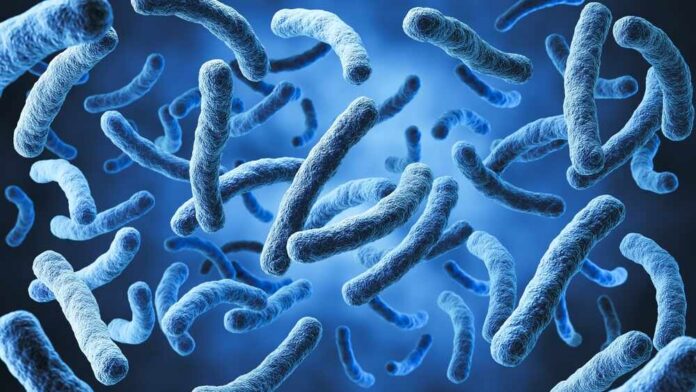
A warm-water bacteria most people have never heard of has now left a trail of deaths across the Gulf Coast.
Story Snapshot
- State health officials reported at least eight deaths tied to Vibrio vulnificus across Gulf Coast states.
- Louisiana reported 17 cases and four deaths in one round of reporting, while later coverage said five deaths.
- Florida reported 13 cases and eight deaths in one update, with officials calling the infections sporadic rather than part of one outbreak.
- The bacteria spreads in warm saltwater and brackish water, often through open wounds or raw shellfish.
Why This Bacteria Turned Deadly
Vibrio vulnificus thrives in warm coastal water, especially where saltwater and fresh water mix. That matters because the Gulf Coast gives it the exact conditions it likes most.
Health officials and medical experts have linked the infections to open wounds, seawater exposure, and raw or undercooked shellfish. In severe cases, the infection can move fast and become life-threatening within days.
The numbers have moved quickly, but the pattern has stayed the same. Louisiana health officials first reported 17 cases and four deaths, then later reported five deaths in the state.
Florida’s health department reported 13 cases and eight deaths in one update, and CBS News Miami said those cases were spread across 11 counties. The shifting totals reflect timing, not a different disease.
How the Gulf Coast Became the Center
This is not a random burst of bad luck. Vibrio vulnificus is a seasonal hazard that rises when water gets warmer, which is why Gulf Coast states see most U.S. cases.
The University of Florida says the bacteria often enters when someone with an open wound goes into brackish water. The Centers for Disease Control and Prevention has long warned clinicians to treat exposed wounds seriously during warm coastal months.
Five people in Louisiana have died from a flesh-eating bacteria found in warm coastal water.
All nine cases this year shared one thing: a wound exposed to seawater.
And it doesn’t take a major cut. A scrape or piercing can be enough.
👇https://t.co/anNSB26SFP— Epoch Health (@epochhealth) August 10, 2026
The deaths also fit the known medical danger. The University of Florida explains that Vibrio vulnificus can cause necrotizing fasciitis, the severe tissue infection that gives “flesh-eating bacteria” its grim nickname.
People with liver disease, weak immune systems, or other health problems face higher risk. That is why one person may swim or fish and walk away fine, while another ends up in the hospital almost immediately.
Why the Headline Count Keeps Changing
The phrase “flesh-eating bacteria kills seven” is a blunt headline, not a precise case record. The reporting here mixes different dates, different states, and different count windows.
One outlet described eight deaths across the Gulf Coast, while another cited five deaths in Louisiana alone. Florida totals also changed over time as state officials updated their numbers. The core story is solid even when the snapshot shifts.
Flesh-Eating Bacteria Outbreak: 5 Dead in Louisiana as Gulf Coast Sounds Alarm pic.twitter.com/oWPttH8bTv
— Jessica Lee (@Global1Newz) August 10, 2026
That is the real caution for readers. The label sounds dramatic, but the public-health lesson is practical: warm brackish water plus an open wound can be dangerous, and raw oysters can be too.
State officials also stressed that the Florida cases were “sporadic and unrelated to an outbreak,” which shows how easily a seasonal disease can be mistaken for one single event. The danger is real, but so is the need for clean reporting.
Sources:
cbsnews.com, people.com, fortune.com, independent.co.uk, nola.com, abcnews.go.com, essentialhospitals.org