
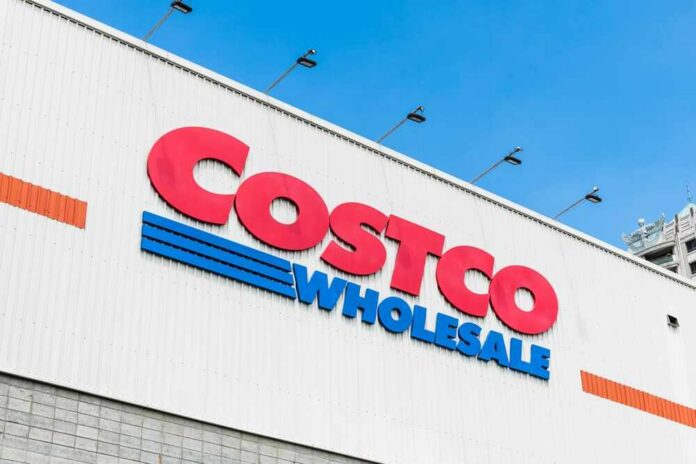
A frozen burrito meant for Costco shoppers turned into a food-safety alert because the box could hide egg, one of the most common allergy triggers.
Quick Take
- The United States Department of Agriculture’s Food Safety and Inspection Service issued a public health alert on July 29 for Red’s Steak, Cilantro & Lime Burritos sold at Costco.
- Officials said the product contained egg that was not declared on the label, which puts egg-allergic consumers at risk.
- The alert was prompted by a consumer who found the wrong product inside the carton.
- Health officials said no illnesses had been reported, but they warned the burritos could still be sitting in home freezers.
What the Alert Said
Federal inspectors said the affected burritos were produced on June 19, 2026, and carried establishment number EST. 46069. The public warning identified the product as Red’s Steak, Cilantro & Lime Burritos and said the cartons were sold through Costco in Illinois, Michigan, and Minnesota.
The key danger was simple and serious. The package said steak burritos, but the product inside contained egg, and egg was not listed on the label. That is the kind of mismatch that can turn a routine freezer meal into a medical problem for someone with an allergy.
How the Problem Was Found
The alert began with a consumer complaint. According to reporting, a shopper opened a package and discovered the burritos were not the steak version expected in the carton. That discovery set off the warning and led federal officials to tell the public to check their freezers.
Officials did not ask for a recall because the burritos were no longer being sold. That did not make the issue go away. Instead, the Food Safety and Inspection Service said the product could still be “buried” in home freezers, where it might stay unnoticed until someone with an egg allergy tries to eat it.
Why Egg Matters Here
Undeclared egg is not a minor label slip. For people with egg allergies, even a small exposure can cause a serious reaction, and public alerts exist to stop that before it happens. That is why the warning focused on the label, not just the product name.
No reports of illness or adverse reactions had been confirmed when the alert was issued. That detail matters because it shows the government was acting before a known injury pattern developed. In food safety, that is the ideal outcome: catch the mistake first, then keep it from reaching the wrong table.
What remains less clear is the exact path of the mix-up. The available reporting says the carton contained a different product, likely a breakfast-style burrito, but it does not lay out the full internal chain of error or the testing basis behind the alert. The public record is strong on the warning and lighter on the mechanics.
That missing detail does not weaken the core message for shoppers. If the affected lot codes match, the burritos should not be eaten, especially by anyone with an egg allergy. The safest move is to throw them away or return them to the store, which is the standard advice in these alert cases.
Why This Story Spread So Fast
Food alerts like this travel quickly because they touch a nerve most people understand immediately. Frozen food feels safe. Costco feels familiar. Add a hidden allergen, and the story becomes instantly personal for families who rely on label trust at the grocery store. That is why the warning moved beyond a routine notice and into widespread consumer attention.
This case also fits a wider pattern in food safety. A packaging mistake, a mislabeled carton, and a hidden allergen can create risk long after the product leaves the warehouse. The alert may sound small, but for one allergic shopper, a bad label can be the difference between dinner and an emergency room visit.
Sources:
foxbusiness.com, simplyrecipes.com, usatoday.com, foodsafetynews.com, parade.com