
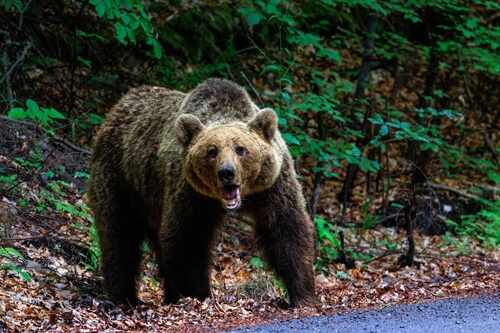
Yellowstone’s first grizzly bear of 2026 emerges right on schedule, reminding Americans of nature’s raw power and the need for federal agencies to prioritize visitor safety over bureaucratic overreach.
Watch the video below this post.
Story Snapshot
- Park biologists confirmed the first official grizzly sighting on March 9, 2026, in the northern backcountry, scavenging a bull bison carcass.
- Male grizzlies typically emerge in early March to feed on winter-killed animals, aligning with historical patterns despite a warm winter.
- NPS urges bear spray, group travel, and a 100-yard distance to prevent conflicts as more bears wake hungry and defensive.
- Winter closures limit access, reducing risk, while food-storage orders enforce personal responsibility in adjacent forests.
First Official Sighting Confirmed
Yellowstone National Park biologists observed a grizzly bear feeding on a bull bison carcass in the northern backcountry on March 9, 2026. The park issued a news release the next day, marking this as the first official sighting of the year.
This event underscores the predictable rhythm of grizzly emergence, with over 1,000 bears in the ecosystem relying on winter-killed elk and bison for initial post-hibernation meals. Such carcasses, often from animals breaking through ice, draw these powerful males first.
Distinction from Unofficial January Video
A video captured by wildlife photographer Rob Harwood showed an adult grizzly on Specimen Ridge, sparking buzz as potentially the earliest on record.
Bear biologist Frank van Manen noted it might set a precedent, but park officials classified it unofficial due to unverified post-hibernation status.
Grizzlies often stir mid-winter without full emergence, as explained by Montana Fish, Wildlife, and Parks’ Lori Roberts. The March 9 confirmation by NPS biologists holds authoritative weight.
First grizzly bear of 2026 spotted at Yellowstone, feeding on bison carcass https://t.co/klYjkHDNTV
— CBS Sunday Morning 🌞 (@CBSSunday) March 11, 2026
Expert Insights on Emergence Patterns
Wildlife photographer Jorn Vangoidtsenhoven predicted early March boars at northern ponds, matching this sighting. NPS Public Affairs Officer Linda Veress emphasized post-hibernation hyperphagia, where bears aggressively defend food sources.
Females with cubs emerge later, in April or May. This aligns with past years, like March 14 in 2025, showing no anomalous shift despite Wyoming’s warm 2025-2026 winter. Experts agree timing remains typical.
Safety Measures and Agency Responsibilities
NPS advises carrying bear spray, traveling in groups, and maintaining a distance of 100 yards from bears, especially at carcasses that attract multiple animals and spark conflicts. Bear spray deters charges and saves bear lives by avoiding lethal encounters.
Custer Gallatin National Forest activated food storage orders on March 1, requiring secure attractants to prevent citations. These rules promote self-reliance, limiting government intervention to enforcement only.
Implications for Visitors and Wildlife Management
Northern backcountry access remains restricted to snowmobile or snow coach, minimizing human-bear interactions during peak risk. As carcasses thaw, more grizzlies will emerge, heightening short-term dangers for winter recreationists like skiers.
Long-term, healthy emergence signals robust populations, bolstering arguments for delisting under Trump administration priorities that favor science-based conservation over endless federal protections. Limited visitation curbs economic impacts while boosting preparedness, like bear spray sales.
Sources:
Yellowstone Confirms First Grizzly Sighting of 2026
Yellowstone’s First Grizzly of 2026 Spotted Feasting on a Bison
First Yellowstone grizzly sighting of the year
Local Lookout: Yellowstone spots first griz in 2026