A once-expanding take-and-bake pizza darling is now shutting dozens of its own stores after a costly turnaround bet backfired.
Story Snapshot
- MTY Food Group will close 68 corporate-owned restaurants, up to 50 of them Papa Murphy’s locations.
- These stores together lost over $10 million in the past year, forcing a reset.
- The closures follow years of decline and a failed push to run former franchises as corporate units.
- The move shows how rising costs and weaker traffic are crushing weaker chains across fast food.
Pizza chain faces hard reality after turnaround bet fails
MTY Food Group, one of North America’s biggest quick-service restaurant owners, is closing 68 underperforming corporate-owned locations over the next six to nine months.
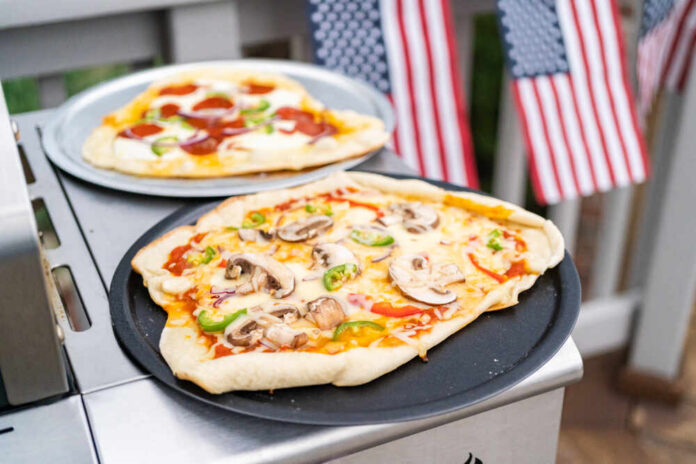
Up to 50 of those stores are Papa Murphy’s, the once-popular take-and-bake pizza chain known for letting customers bring raw pies home to bake in their own ovens.
The decision follows a year in which those 68 restaurants together lost more than $10 million and showed no sign of recovery for management.
Papa Murphy’s to close 50 restaurants over declining sales https://t.co/VxO3U513jo
— KFOR (@kfor) July 14, 2026
Chief Executive Officer Eric Lefebvre told investors the selected restaurants had continued to perform poorly and were “struggling more than our other brands as of recent,” with Papa Murphy’s singled out as a problem area.
He explained that MTY had already tried to fix these stores by converting many of them from franchisee-run units to corporate-owned locations. That shift was supposed to bring better controls and support, but instead it added costs and did not fix weak traffic.
From franchise network to corporate drag on profits
MTY bought Papa Murphy’s for about 190 million United States dollars in 2019, pitching the deal as a turnaround play on a tired but fixable brand.
In the years since, management converted dozens of struggling franchise stores into corporate restaurants, hoping that a centralized team could improve operations, marketing, and menu discipline.
On the latest earnings call, Lefebvre acknowledged that roughly 45 to 50 of the 68 closing stores are converted Papa Murphy’s units that never reached acceptable performance levels.
The financial hit is blunt. Corporate segment profit for Papa Murphy’s and related brands fell sharply, sliding from 11.3 million dollars to 5.7 million dollars, while corporate revenue dropped about 15 percent to 111.7 million dollars.
MTY now expects to spend another 10 to 12 million dollars in upfront costs to terminate leases, close these locations, and unwind commitments.
Sales slump meets rising costs and weak traffic
Same-store sales, a key measure of how existing restaurants are doing, fell 2.1 percent across MTY’s system, with declines in both the United States and Canada.
That drop reflects broader pressure across fast food, especially in pizza, where shoppers face higher prices, tighter budgets, and more delivery options.
Research on quick-service restaurant failures in 2025 and 2026 points to a nasty mix of heavy debt, elevated food and labor costs, and falling guest traffic hitting at once. Papa Murphy’s lives in the middle of that storm.
Papa Murphy’s stores also had a more basic problem: the chain’s footprint has shrunk fast. Reports note that it closed roughly 43 locations in 2023 and about 100 in 2024, most of them franchise units that could no longer make the numbers work.
That kind of decline erodes brand presence in local markets and makes it harder to win new customers. When people stop seeing your logo in strip malls and along commuter routes, your marketing has to work twice as hard just to stay in mind.
What this says about restaurant turnarounds and investor expectations
The Papa Murphy’s closures fit a larger pattern where big companies buy struggling chains, promise a turnaround, and then run headfirst into operational reality.
Studies of restaurant failures show that franchise chains fail at almost the same rate as independent restaurants over time, undercutting the myth that franchising is a safe shield.
When a new owner tries to replace local franchise operators with distant corporate managers, they often lose the grit, hustle, and local knowledge that kept marginal stores alive.
MTY Food Group is closing 68 underperforming restaurant locations, citing declining sales and rising costs. Affected by a closure or layoffs?
(604) 475-0041 | [email protected]#EmploymentLaw #Layoffs #JobLoss #WorkplaceRights #LabourRightsLawhttps://t.co/jSB2DrKWK5— Labour Rights Law (@LabourRightsLaw) July 13, 2026
This story underscores a few points. First, numbers matter more than hopeful talk; a brand that loses eight figures per year in a small slice of its stores cannot keep those locations open without hurting workers and shareholders across the system.
Second, central planning has limits. A remote head office rarely runs a neighborhood pizza shop better than an owner whose own savings are on the line.
Finally, not every “strategic acquisition” deserves patience forever. MTY’s move to cut weak stores and focus on profitable ones may be late, but it reflects a basic market truth: if a concept no longer earns its keep, the market will force change, whether through orderly closures or messy bankruptcies.
Sources:
foxbusiness.com, investing.com, youtube.com, scanx.trade, tradingview.com, restaurantdive.com, nasdaq.com, finance.yahoo.com, chrie.org