

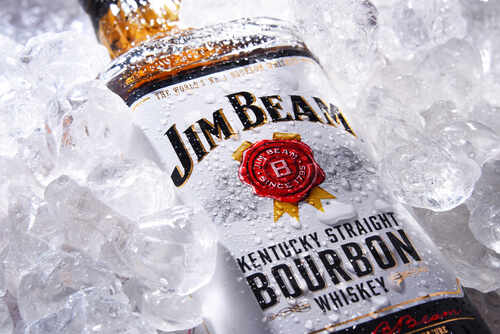
Jim Beam is shutting down the stills at its flagship Kentucky distillery for all of 2026, a pause that has stretched into an open-ended question mark over when America’s best-selling bourbon brand will fire them back up.
Story Snapshot
- Jim Beam paused production at its Clermont, Kentucky distillery starting January 1, 2026
- The company originally planned to restart in 2027 but now says that return date is uncertain
- Kentucky warehouses hold a record 16.1 million aging barrels, more than three times annual demand
- Distilling shifted to the Booker Noe facility, while Clermont stays open for tours, aging, and bottling
What Jim Beam Announced
The James B. Beam Distilling Co. told the British Broadcasting Corporation (BBC) it would suspend production at its main Clermont distillery for the entire 2026 calendar year. The company framed the move as a chance to make “site enhancements” at the historic facility. That explanation sat alongside a broader corporate statement about managing supply across the state.
Owner Suntory Global Spirits said it “manages production across Kentucky in response to demand, inventory and long-term needs”. Distilling work moved to Booker Noe Distillery in Boston, Kentucky, the brand’s largest plant, reported to handle up to 45 million proof gallons a year. What began as a one-year plan has since slipped. The company later said it would not resume distilling at Clermont in 2027 either, reassessing as forecasts change.
Why Bourbon Barrels Are Piling Up
Kentucky distillers were sitting on more than 16 million aging bourbon barrels when the pause was announced, according to the Kentucky Distillers’ Association. That stockpile carries a real cost. Distillers paid roughly $75 million in aging-barrel taxes in 2025, a 27 percent jump from the year before. More barrels sitting longer in warehouses means bigger tax bills even before a drop of bourbon reaches a shelf.
The glut did not happen overnight. American whiskey makers ramped up distilling and warehouse construction during the pandemic-era boom, betting that surging demand would keep climbing. Barreled American whiskey inventories reached nearly 1.5 billion proof gallons by late 2024, close to triple 2012 levels, while short-term demand cooled off. Because bourbon must age for years before it can legally reach store shelves, decisions made during the boom locked in supply that is only now hitting warehouse floors, long after buyer habits shifted.
What Stays Open at Clermont
The pause is not a shutdown of the entire campus, even though headlines might suggest otherwise. Clermont remains open for visitor tours, tastings, barrel aging, warehousing, and bottling. The site also keeps producing craft labels including Knob Creek, Little Book, and Booker’s. Only the main distilling operation that makes core Jim Beam bourbon has gone quiet, a distinction worth remembering before assuming the whole plant went dark.
What This Means for Bourbon Country
Industry voices point to a mix of forces behind the slowdown, including tariffs, softer sales, and the swelling inventory itself, rather than any single cause. Bourbon industry analysts have also noted that American whiskey distillers cut output by 28 percent in 2025 through August compared with the prior year, a sign the correction reaches well beyond one Kentucky brand. A securities filing from another distiller described the American whiskey market as “structurally oversupplied, with excess capacity and elevated inventory”.
🥃 Jim Beam is pausing production at its flagship Kentucky distillery indefinitely. US whiskey inventory is now ~3x annual demand (IWSR). Are we drinking less, or just drinking better? 👇 #Whiskey pic.twitter.com/DVamexFgoZ
— The Daily Edge (@DailyEdgeNow) November 23, 2026
Jim Beam’s pause fits a pattern playing out across the whiskey business, and even Scotch and tequila makers, as companies work through barrels filled during a demand spike that has since leveled off. For a brand synonymous with American bourbon, the decision shows just how long a hangover a boom can leave behind. Production choices made years ago are only now showing up in a crowded warehouse, and the industry is having to slow down to let the math catch up.
Sources:
vice.com, foxnews.com, uk.news.yahoo.com, thedrinksbusiness.com, kearneyhub.com, cleveland.com