

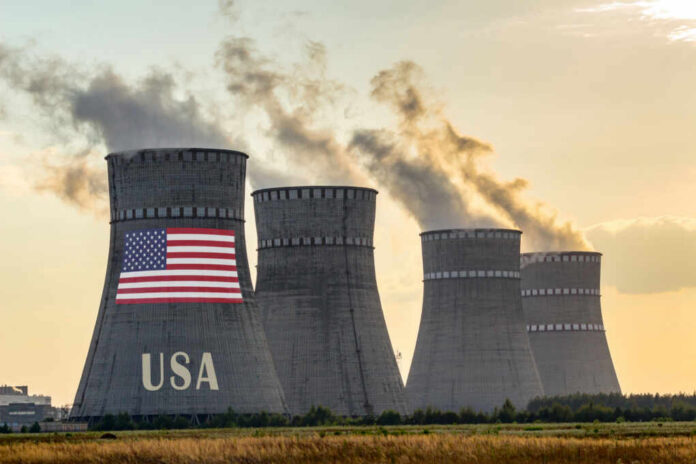
With temperatures spiking and demand surging, federal officials pulled an emergency lever to keep America’s lights—and air conditioners—on.
At a Glance
- The Department of Energy used a wartime-era authority to meet peak demand during a heat wave.
- An April order from the President primed the agency to act fast to protect grid reliability.
- Summer orders extended operations at coal and oil units to shore up reliability.
- A Mid-Atlantic order covered July 28 through October 26 to steady the system.
Emergency Powers Activated To Hold The Line
The Department of Energy responded to a utility’s June 2025 plea by invoking Section 202(c) of the Federal Power Act. That statute allows the agency to direct how the grid operates during an emergency. The call came as a heat wave pushed electricity use toward the red line.
The Congressional Research Service confirmed the Department of Energy issued the order to meet expected high demand during the event. The action aimed to prevent rolling outages when air conditioning load peaked.
The legal runway for rapid action widened months earlier. On April 8, 2025, the President signed an executive order that strengthened the Department of Energy’s hand to address electrical emergencies and keep essential services running.
The order specifically cited Section 202(c) as a key tool for maintaining power continuity when the grid is at risk. That move set the stage for the summer response, including quick decisions during weather-driven stress.
Summer Orders Kept Extra Supply On The Field
As heat and demand persisted, the Department of Energy extended several critical reliability orders in August 2025. The measures kept certain coal and oil-fired units available or online to stabilize frequency and meet evening peaks.
Power sector reporting detailed extensions for Puerto Rico Electric Power Authority on August 14, the Campbell plant on August 21, and Eddystone peaking units on August 28. Supporters called it pragmatic triage. Critics called it a lifeline for aging, higher-emission plants.
The Mid-Atlantic—home to heavy load and dense data center clusters—received special attention. The Department of Energy announced a fifth emergency order under Section 202(c) to safeguard the region’s grid.
That order took effect from July 28 through October 26, 2025, adding tools to manage peaks and maintain reliability during late summer and early fall. The window covered hurricane season and the back-to-school demand ramp, two periods that often strain operations.
‘Speed To Power’ And The Reliability Playbook
On January 20, 2025, the White House declared a National Energy Emergency, citing gaps in production, transmission, refining, and generation that threaten the economy and security.
The Department of Energy followed with its “Speed to Power” initiative and a July 7, 2025 report on grid reliability and security.
The report aimed to create a uniform method for assessing regional risk and resource adequacy, providing the agency with a common yardstick to target shortfalls and act faster when conditions tighten. That framework is now shaping emergency decisions.
Some groups argue the emergency label went too far. An environmental organization accused the Department of Energy of using a “false energy emergency” to keep polluting plants running longer. That claim challenges whether the real-time data met the legal emergency bar and clashes with the Department of Energy’s stated reliability case.
Fair scrutiny is healthy. But when the thermometer spikes and the reserve margin thins, keeping the grid stable comes first. Power you can count on is a basic public good that protects lives.
What We Know, What We Still Need
Congressional researchers noted that the June 2025 order answered a utility request ahead of forecast shortfalls. We also know the Department of Energy leaned on clear legal authority and an April executive order to move quickly.
What remains thin in public view is the granular, real-time grid data for that specific heat wave—reserve margin projections, unit commitment constraints, and system frequency risk.
The Department of Energy’s new methodology could close that gap if it releases the detailed inputs and thresholds. Trust grows when numbers are out in the open.
Bottom Line For Households And The Economy
Emergency orders are a stopgap, not a strategy. They kept backup supply in play and helped avoid blackouts in a dangerous heat wave. That choice puts public safety ahead of theory: air conditioning and hospital power cannot fail when heat kills.
The next step is faster buildout of firm capacity, wires, flexible demand, and storage, paired with transparent standards for when 202(c) is used. Keep the lights on today. Build the stronger grid that needs fewer emergencies tomorrow.
Sources:
abcnews.com, powermag.com, hklaw.com, everycrsreport.com, whitehouse.gov, x.com, energy.gov