

Hillary Clinton is targeting President Trump as she ties a jaw-dropping number to the presidency.
Story Snapshot
- Clinton said Trump-family “profits from the presidency” could fund a year of SNAP for 1.3 million people.
- Public filings and reporting show more than $1.4 billion in 2025 income tied to family crypto ventures.
- Ethics experts called the setup an unprecedented conflict risk, even if parts remain legal.
- The White House and company spokespeople deny any conflict or improper benefit.
What Clinton Claimed And Why It Caught Fire
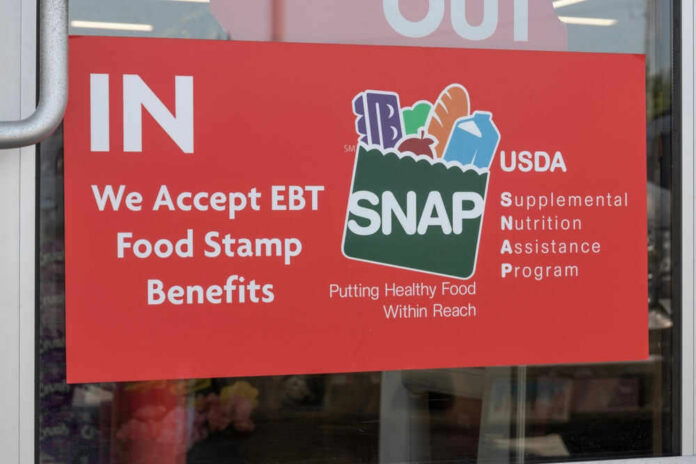
Clinton translated a huge earnings figure into grocery money to make the scale hit home. She said the Trump family’s take “could pay for a full year of Supplemental Nutrition Assistance Program benefits for about 1.3 million people” and called the corruption “rife”. The line works because federal snapshots show what a year of food help costs the government and who needs it. The claim draws power from clear, published income tallies tied to crypto businesses.
Her math rests on a simple idea: if the family gained north of a billion dollars, that sum buys a lot of food. Federal data show the average monthly benefit per person was about $188 in fiscal year 2025, with more than 42 million people receiving help that year. Clinton did not publish her workbook, and income is not profit, but the order of magnitude tracks with what many households see at checkout each week.
The Money Trail From Filings To Crypto
A 2025 financial disclosure reported more than $1.4 billion in income linked to family crypto projects, including hundreds of millions from World Liberty Financial and token sales, according to coverage of the filing. Additional outlets summarized the same scale of 2025 income across the president’s ventures. Reuters reported that the president and his sons co-founded World Liberty Financial and tied the windfall to a playbook that favored the family’s stakes while exposing investors to losses, which sharpened conflict-of-interest alarms.
Ethics specialists told Reuters the situation was unprecedented because the president promoted and shaped a sector while his family operated inside it. They said such overlap creates a clear conflict risk even if no one proves a direct exchange of favors for money. Their bottom line separated law from standards: parts can be legal, yet still clash with public trust and common-sense expectations for a president.
What The Denials Say, And Where They Fall Short
The White House and company voices reject the conflict frame. A deputy press secretary said neither the president nor his family engaged, or would engage, in conflicts of interest. Trump has said managers handle his money and gains reflect rising markets and large preexisting assets, not presidential influence. A World Liberty Financial spokesperson said the firm follows United States law, employs no government staff, and called outside claims meritless.
HILLARY CLINTON , THE PROFIT THAT THE TRUMP FAMILY HAS MADE OFF THE PRESIDENCY , COULD PAY FOR A FULL YEAR OF SNAP BENEFITS FOR ABOUT 1.3 M PEOPLE 600 M FREE SCHOOL LUNCHES OR THREE MONTHS OF GROCERIES FOR https://t.co/jjHv79DyVa
— Steve Adams (@SteveAd13487346) October 22, 2026
These answers address legality and control but sidestep the core optics problem. Voters know the difference between “legal” and “right.” When a sitting president’s household works in a field that the administration boosts, people see a house edge. That edge erodes trust, whether or not a court ever cites a statute. On that point, the ethics critique carries weight, and the public record gives it backbone.
SNAP Math, Magnitude, And The Open Questions
The comparison lands because the government’s own numbers set the baseline. The United States Department of Agriculture reported average monthly benefits near $188 per person in 2025 and more than $100 billion in total program costs. Stack that against more than $1.4 billion in reported crypto-linked income, and you get a simple picture: enough money to cover a full year of food aid for a large city’s worth of people, even if the exact count varies with the inputs.
Two caveats matter. First, income is not profit; expenses, taxes, and ownership stakes can shrink the take-home number. Second, the phrase “profits from the presidency” rolls different revenue streams together and blurs which dollars flowed because of presidential power. Those gaps do not erase the conflict issue, but they do affect Clinton’s 1.3 million-person headline figure. Her comparison is memorable; it is also not yet backed by a published, step-by-step worksheet.
What A Clean Resolution Would Look Like
Transparency would settle the fight. A full release of the 2025 Office of Government Ethics filing schedules, audited statements for World Liberty Financial, and token distribution ledgers could show gross revenue, costs, taxes, and net family profit. A clear timeline that matches administration actions with token launches and price spikes could test causation claims. A public SNAP calculation, using the stated average benefit and year, would confirm or revise the 1.3 million estimate.
Until then, the key facts stand: reported family-linked crypto income in 2025 topped $1.4 billion, ethics experts see an extraordinary conflict risk, and the White House says there is no problem to see. Voters will judge the house edge for themselves. On everyday values, most Americans want leaders to avoid even the appearance of self-dealing, because trust in fair rules is worth more than any token windfall.
Sources:
apnews.com, bbc.com, tradingview.com, usnews.com, reuters.com, fortune.com