

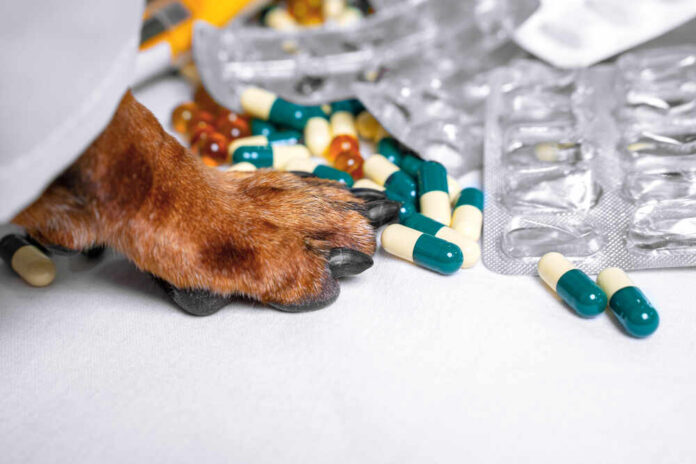
A Doberman’s stubborn focus on a fussy baby led to a hospital trip and a life-altering heart diagnosis.
Story Snapshot
- A mother says her dog’s urgent behavior pushed her to seek care for her infant son.
- Doctors recorded the baby’s heart racing near 280 beats per minute and treated it.
- The child was diagnosed with Wolff-Parkinson-White syndrome soon after.
- The dog’s pacing, crying, and licking stood out from normal behavior, according to reports.
A Family Dog Would Not Leave The Baby’s Side
Kim Reynolds told ABC News that her Doberman, Saraya, fixated on her infant son, Alexander, in September. Saraya hovered near the baby, cried when he was moved, and kept returning to him. Reynolds said the behavior felt different enough to raise concern. She decided to get help, and they went to the hospital. Doctors found Alexander’s heart rate at about 280 beats per minute and worked to bring it down with medication.
Reports say clinicians diagnosed Wolff-Parkinson-White syndrome within two days. That condition is a congenital electrical pathway in the heart that can trigger very fast rhythms. The family credits Saraya’s unusual conduct with prompting the check that caught the problem early. Reynolds later spoke publicly to raise awareness about the risks and the signs parents can watch for when an infant seems off or oddly quiet.
What Wolff-Parkinson-White Means For Infants
Wolff-Parkinson-White syndrome creates an extra electrical connection that can short-circuit the heart’s normal rhythm. In infants, episodes can surge suddenly. They can cause fast breathing, poor feeding, or limpness. Doctors confirm it with an electrocardiogram and monitor for repeat events. Treatments range from medication to watchful follow-up and, when older and appropriate, a catheter procedure to remove the extra pathway. Early medical care during a rapid rhythm can prevent stress on the heart and other organs.
Parents often spot the first sign in behavior that doesn’t match the moment. A baby who will not settle, or seems unusually tired, may be signaling a deeper issue. The main lesson from Alexander’s case is simple: when your gut says something is wrong, get checked. Reynolds linked that gut feeling to Saraya’s persistence. Doctors handled the crisis, then mapped the long-term plan. That sequence is how many families navigate this condition safely.
Why A Dog’s Behavior Can Matter
Dogs live by scent, sound, and pattern. Research shows they can notice human changes from hormones, stress compounds, and skin or breath odors. Studies describe dogs helping alert to blood sugar swings, seizures, infections, and even some cancers. The scientific view is steady: dogs can serve as screening or alerting aids, not as diagnostic tools. That means a dog’s cue should point you to medical care, where trained clinicians confirm what is happening.
Alexander’s story fits that pattern. A clear behavior shift in a close companion prompted a parent to act. Medical staff measured the fast rhythm, treated it, and named the cause. That chain shows how home awareness and clinical skill work together. It also explains why stories like this resonate. Families want practical ways to spot trouble early. A watchful pet can add another layer of early warning, alongside common-sense checks on feeding, color, breathing, and energy.
A mom in England is crediting her dog with helping to figure out her baby's health condition and potentially saving his life. https://t.co/5WtXemIJAL
— ABC News (@ABC) November 19, 2026
Sorting The Headlines From The Takeaways
Coverage highlights that Saraya whined, paced, and licked the baby’s face, then stuck close and cried when separated. Reynolds connected those actions to a risk she could not see. The sequence lines up: odd behavior, hospital visit, rapid heart found, diagnosis days later. Some reports vary on whether the baby was five or six months old and the exact date, but the core through-line is consistent across outlets that interviewed the mother directly.
One fair caveat is that the evidence shows timing and behavior, not a proven medical condition in the dog. That does not blunt the lesson for parents. Trust your read when a child’s behavior changes. If a family pet acts out of character around a baby, pause and look closer. Seek care when in doubt. American conservative values prize personal responsibility, family vigilance, and practical action. This story lands there: notice, act, then let the professionals do their job.
Sources:
abcnews.com, video.goodmorningamerica.com, medboundtimes.com, wheb.iheart.com, newsaly.com, nature.com