

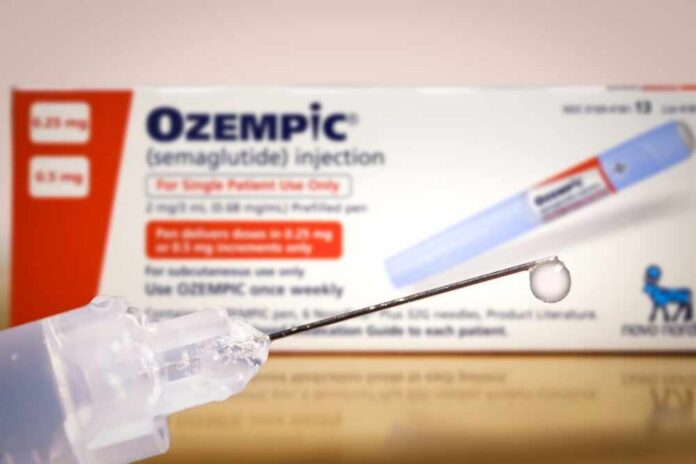
Illinois Governor JB Pritzker says a weekly GLP-1 shot helped him drop 80 pounds and dodge insulin.
Story Snapshot
- Pritzker says he has used a GLP-1 drug for two years and lost 80 pounds.
- He links the treatment to a type 2 diabetes diagnosis and doctor advice.
- He calls the change “life changing” and says he feels much better.
- He denies the move was tied to a White House run; he says it was health first.
What Pritzker Disclosed On Air
Governor JB Pritzker told CBS Mornings he takes a weekly GLP-1 injection and has lost 80 pounds so far. He said he has been on the medication for two years, and he described the effect as “really life changing.”
The interview aired September 21, 2026, and set off new talk about national politics. Pritzker pushed back on that frame and said he did it for his health, not for a campaign. He repeated that he feels “a whole lot better” since starting the treatment.
Pritzker also shared a routine detail that matches ongoing use. He said he gives himself the shot every week. That simple line matters because it shows a steady habit, not a one-off trial.
Multiple outlets echoed the weight figure and the timeline within hours. The broad alignment across reports makes the core facts clear: a diabetes-linked decision, a GLP-1 plan, and a sharp drop in weight during that period.
The Diabetes Link And Health Rationale
Pritzker tied the GLP-1 use to a type 2 diabetes diagnosis about two years ago. He said doctors warned he would likely need insulin if nothing changed. He started the medication after that warning, along with diet and exercise.
Politico reported his office said he no longer takes insulin and that his levels now test in a non-diabetic or prediabetic range. The comments track with common medical use of GLP-1 drugs for diabetes control and weight loss together.
The governor did not name the specific drug or list a dose. That detail leaves room for curiosity about the exact plan, but it does not change the thrust of his news. The public statement centers on purpose and outcome: a weekly shot, better numbers, and major weight loss.
For many patients, doctors use GLP-1s to tame appetite, improve blood sugar, and reduce risks tied to weight. Pritzker’s account lines up with that common pattern reported by clinicians and patients.
Politics Meets Medicine Without Swallowing It
The disclosure triggered 2028 chatter, as high-profile health changes often do. CBS framed the interview with questions about a presidential run, and follow-on coverage did the same. Pritzker’s reply was direct.
He said the decision was about health first, not about a campaign body makeover. That answer makes sense on its face and aligns with common sense: fix the problem in front of you before chasing the next job.
JB Pritzker Says He Lost 80 Lbs. on GLP-1 as Taxpayers Cover State Workers’ Accesshttps://t.co/nr1z9yCk6Q – Lost weight, still can’t shake TDS
— Norm (@Norm47546806) September 22, 2026
Speculation will follow any figure with national reach. That is normal. But the facts he set out are narrow and checkable at the level he offered them: diagnosis, weekly use, weight change, and improved daily life. He put his name on the record, on a dated broadcast, with clear stakes.
That carries more weight than rumor. The core claims are modest, personal, and well within what GLP-1s are known to do for people with diabetes and excess weight.
The Broader GLP-1 Moment
Public talk about GLP-1s comes with heat. People argue about cost, access, and fairness. Some call them a shortcut; others call them a lifeline. Research reviews point to real access gaps tied to insurance and income, which fuels tension when leaders discuss their own use.
Community surveys show cost, side effects, and rebound weight gain worries shape choices. That mix explains why one on-air confession can spark pride in personal change and anger over who can get the same care.
Why This Matters Beyond One Man’s Scale
Leaders model health choices whether they plan to or not. A plainspoken account can help normalize treating diabetes early and with the tools that work. It can also push a better question for policy: how to expand access while guarding taxpayer value.
That means fighting waste, bargaining hard on price, and keeping coverage tied to results that lower long-term costs, like fewer hospital stays and less insulin use. Do what works, measure it, and pay only for value.
Sources:
x.com, axios.com, chicagotribune.com, newser.com, pmc.ncbi.nlm.nih.gov, jmir.org